Buying Into East Greenwich Lifestyle And Housing Options
July 23, 2026
July 23, 2026
If you are thinking about buying in East Greenwich, you are probably asking a bigger question than just price or square footage. You are trying to figure out what kind of daily life fits you best, and whether the housing options here support that vision. In a town known for its waterfront setting, historic core, and primarily single-family housing, that choice matters. This guide will help you match East Greenwich lifestyle priorities with the right type of home, location, and long-term strategy. Let’s dive in.
East Greenwich sits on the west shore of Narragansett Bay and blends coastal character with practical access to the rest of Rhode Island. The town highlights Greenwich Cove’s marinas and waterfront dining, Main Street shopping and dining, and the Hill and Harbor district’s historic walking-tour setting. It also sits within the Providence metropolitan area, which adds to its appeal for buyers who want both lifestyle and connectivity.
From a housing standpoint, East Greenwich is a mature, high-value market. Census data shows an 83.5% owner-occupied housing rate and a median owner-occupied home value of $671,700. Rhode Island’s housing report lists 5,690 total housing units, with 4,753 of them single-family homes, which tells you right away that detached houses define much of the local market.
If you picture East Greenwich as a condo-heavy coastal town, the data tells a different story. This is still a predominantly single-family community, with a smaller share of attached and multifamily housing. The median year built is 1976, which means many homes have mature layouts, established lots, and renovation histories rather than brand-new construction.
That matters when you start your search. In East Greenwich, your decision often comes down to choosing between historic charm, suburban space, or lower-maintenance convenience. Each path can work well, but each suits a different kind of buyer.
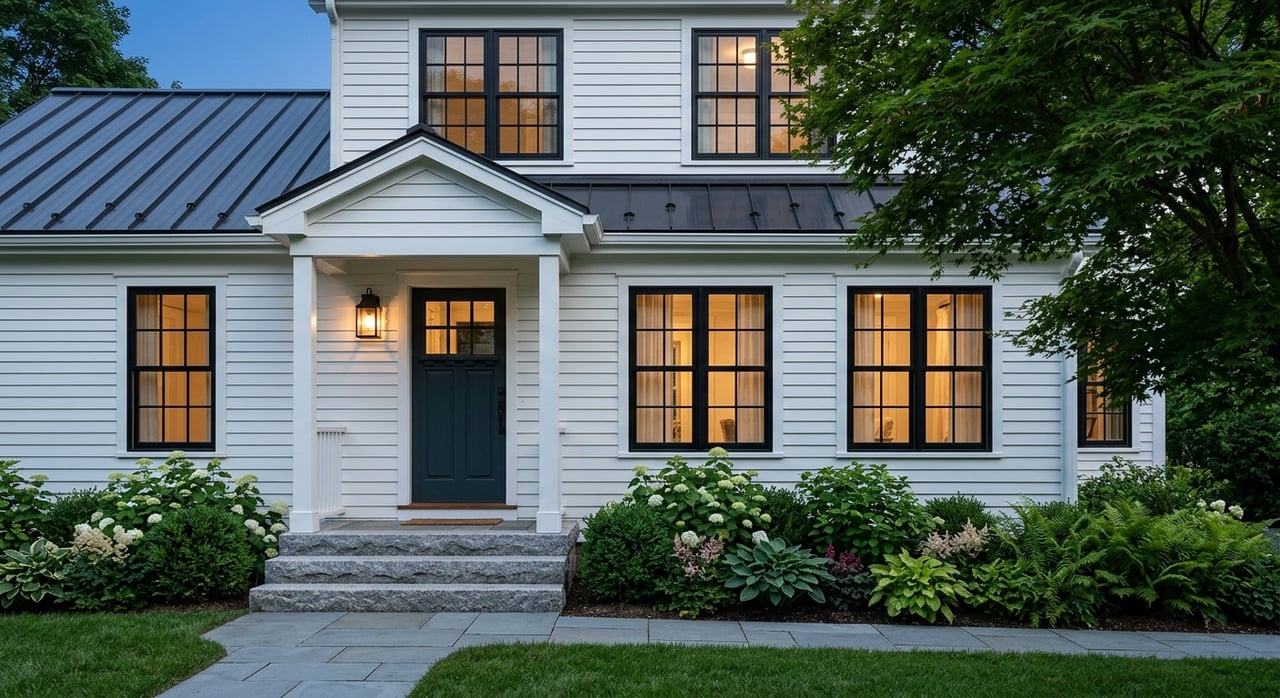
If walkability and character are at the top of your list, East Greenwich’s historic core deserves close attention. The East Greenwich Historic District is listed on the National Register of Historic Places, and the downtown area connects you to Main Street, Greenwich Cove, and the Hill and Harbor district. For many buyers, this part of town offers the strongest sense of place.
You may find older architecture, established streetscapes, and easy access to dining and local shops. The appeal is not just visual. It is also about the experience of living in a part of town where daily errands, a waterfront meal, or a walk through historic streets can become part of your routine.
Historic homes often ask more from you as an owner. East Greenwich’s Historic District Commission reviews many types of exterior work on protected properties before a building permit can be issued. Additions, alterations, demolitions, and new construction usually require review, while routine painting, storm windows and doors, and in-kind replacement generally do not.
That does not mean historic ownership is difficult. It does mean you should plan carefully if you want to change exterior features over time. Buyers who tend to be happiest here are usually those who value architecture, neighborhood identity, and long-term desirability enough to work within a preservation framework.
If your ideal home includes more yard space, privacy, or a more conventional suburban layout, you may feel more at home farther inland or west of Route 2. Town records explain that after the completion of I-95 and its merger with Route 4, development expanded westward and produced larger suburban lots and homes. Later housing also continued on estate-style lots in the western part of town and on smaller parcels closer to Main Street.
This pattern helps explain why East Greenwich can feel different depending on where you look. The historic village core and the more suburban western areas offer distinct ownership experiences, even though both are part of the same town.
These homes often appeal to buyers who want function first. You may prefer a larger yard, a more private setting, or a layout that feels easier to adapt to current living needs. Since the townwide median year built is 1976, even homes in this category may still be part of East Greenwich’s mature housing stock rather than truly new construction.
That can be a plus if you value established neighborhoods and homes that may already have updates in place. It also makes careful property review important, especially if you are comparing original-condition homes with renovated ones.
East Greenwich does offer condos and other attached housing choices, but they are a smaller part of the overall housing mix. State housing data shows a limited attached and multifamily footprint compared with the town’s large single-family base. Planning records also point to newer attached residential proposals, but this remains a niche segment rather than the dominant product type.
For you as a buyer, that means expectations matter. If low-maintenance living is your priority, you may need to be more flexible on timing, location, or project style than you would in a town with a deeper condo inventory.
Because this segment is smaller, it often pays to focus on fit over volume. You will likely want to look closely at location, project design, and the overall ownership experience. In East Greenwich, attached housing can be a smart choice for convenience and reduced upkeep, but buyers should expect fewer options than in denser Rhode Island communities.
If you want a home that supports a more walkable day-to-day routine, the Main Street, downtown, and Hill and Harbor area is the clearest fit. The town highlights Main Street shopping and dining, historic walking routes, and Greenwich Cove’s marinas and waterfront dining. That combination supports a lifestyle built around local access and neighborhood character.
This part of East Greenwich tends to attract buyers who enjoy being close to activity without giving up charm. If your vision includes coffee, dinner out, a waterfront stroll, or an easy walk through town, the historic core may feel especially compelling.
East Greenwich also appeals to buyers who want the water to be part of everyday life. Scalloptown Park includes a bike trail, fishing, picnic tables, trails, and waterfront access. The town’s harbor management also reflects the active role Greenwich Cove plays in local boating life.
The town supports more than 785 acres of public and private land used for passive and active recreation. If your ideal lifestyle includes time outdoors, access to the bay, or a connection to boating and shoreline recreation, East Greenwich offers meaningful lifestyle value beyond the house itself.
For commuters, East Greenwich offers access that many buyers find practical. Town records point to the importance of Route 4 and I-95 in making the community accessible, and the Census reports a mean travel time to work of 24.9 minutes. The value here is not just speed. It is the ability to live in a coastal or suburban setting while staying connected to Providence, Warwick, and other parts of the state.
If your work or routine takes you beyond town lines, that transportation access can make East Greenwich easier to justify as both a lifestyle and logistics choice.
East Greenwich’s long-term appeal is shaped by stability and limited housing variety. A high owner-occupancy rate, mature housing stock, and strong town identity all support that story. The town also explicitly ties historic district protections to preserving and stabilizing property values.
In practical terms, the homes that may feel strongest over time are often the ones that pair a good location with a clear buyer audience. That could mean a well-kept historic home near downtown, a renovated detached home with useful lot space, or a low-maintenance attached home in a convenient setting. The key is choosing a property that aligns with how people want to live in East Greenwich.
Before you buy, it helps to narrow your priorities into a few simple questions:
When you answer those questions clearly, East Greenwich starts to sort itself into more understandable choices. The right fit is usually less about finding the “best” house in town and more about finding the part of town and housing type that supports your routine, priorities, and long-term plans.
Buying in East Greenwich is often about balancing charm, convenience, and practicality. If you want a thoughtful strategy for comparing historic homes, larger-lot properties, or low-maintenance options, Stefanie Carr can help you navigate the process with calm, local insight.
Stay up to date on the latest real estate trends.


Work with Stefanie Carr for expert guidance, local insight, and a personalized real estate experience in Providence and throughout Rhode Island. Every detail is handled with care, strategy, and your goals in mind.