Providence Home Selling Preparation for a Confident Sale
February 12, 2026
February 12, 2026
Thinking about selling in Providence and wondering what to fix, refresh, or simply leave alone? You are not alone. With older homes, historic streetscapes, and a wide range of buyers, a little strategy goes a long way. In this guide, you will learn exactly how to prepare your Providence home to attract stronger offers, reduce days on market, and move through closing with fewer surprises. Let’s dive in.
Providence buyers often tour homes with real character, from Victorians and colonials to classic triple-deckers. They love original details, but they also want modern comfort and clear information about systems, permits, and maintenance. Owner-occupiers tend to value move-in readiness, updated kitchens and baths, and energy efficiency. Investors focus on mechanical soundness and rental-ready layouts.
Timing matters too. Spring and early summer typically bring the most buyer activity in New England, so planning projects during the winter can position you to list when demand is strongest. Your agent’s local MLS metrics will help set expectations for list price, days on market, and absorption in your specific neighborhood.
Getting ahead of potential issues reduces stress and strengthens your negotiating position. Focus on clarity and compliance first.
A general pre-listing inspection, plus targeted checks when you see red flags, helps you control the narrative. Consider roof, chimney, radon, or moisture inspections if there are visible concerns. With results in hand 2 to 6 months before listing, you can decide whether to repair, disclose, or price accordingly.
Confirm state and municipal disclosure requirements with your agent or attorney. If your home was built before 1978, federal lead-based paint rules apply. You must provide the required EPA pamphlet and disclose any known lead information. Clear, complete disclosures build trust and prevent last-minute deal friction.
Many projects in Providence require permits, including structural changes, electrical, plumbing, HVAC, and numerous exterior updates. Unpermitted work can slow or derail closing, so verify your records now. If your home sits in a designated historic district, exterior changes often require approval by the Providence Historic District Commission. Plan lead time for reviews when you schedule porch, window, roofing, or siding projects.
If you have an older survey, unusual lot lines, or prior zoning or use changes, bring those records forward early. Confirm that municipal files do not show open violations. A clean file reduces buyer hesitation and keeps your closing timeline intact.
The best projects reduce buyer objections, make your listing photos pop, and support your pricing strategy. Start with essentials, then add selective upgrades.
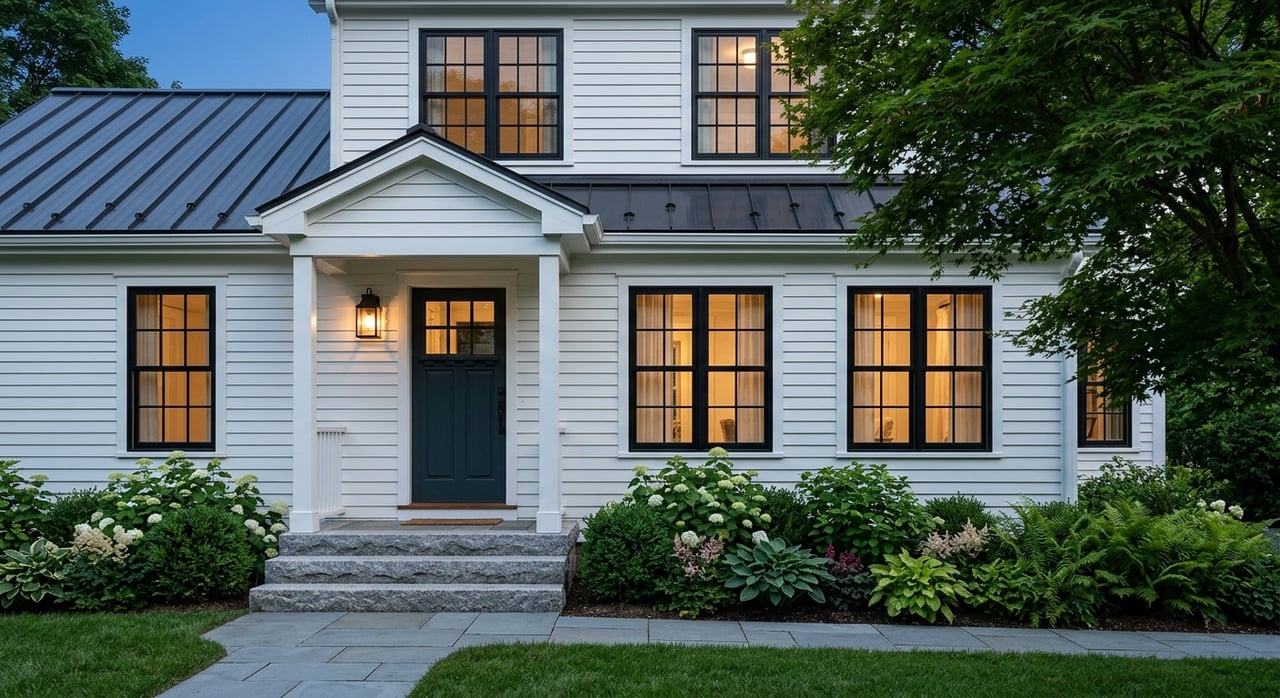
Focus on visible, cost-conscious items that make a fast impression:
If nearby comps show a premium for updated homes, targeted projects can pay off:
Use neighborhood comps and regional ROI guides like the Cost vs. Value report to set priorities and budgets. The right scope is local. Match finishes and investment level to what buyers pay for in your micro-market.
Major additions or whole-house renovations rarely pencil out right before a sale unless you plan to reposition the property for a different buyer segment. If the goal is a timely sale, focus on clean, safe, and attractive presentation rather than full reconfiguration.
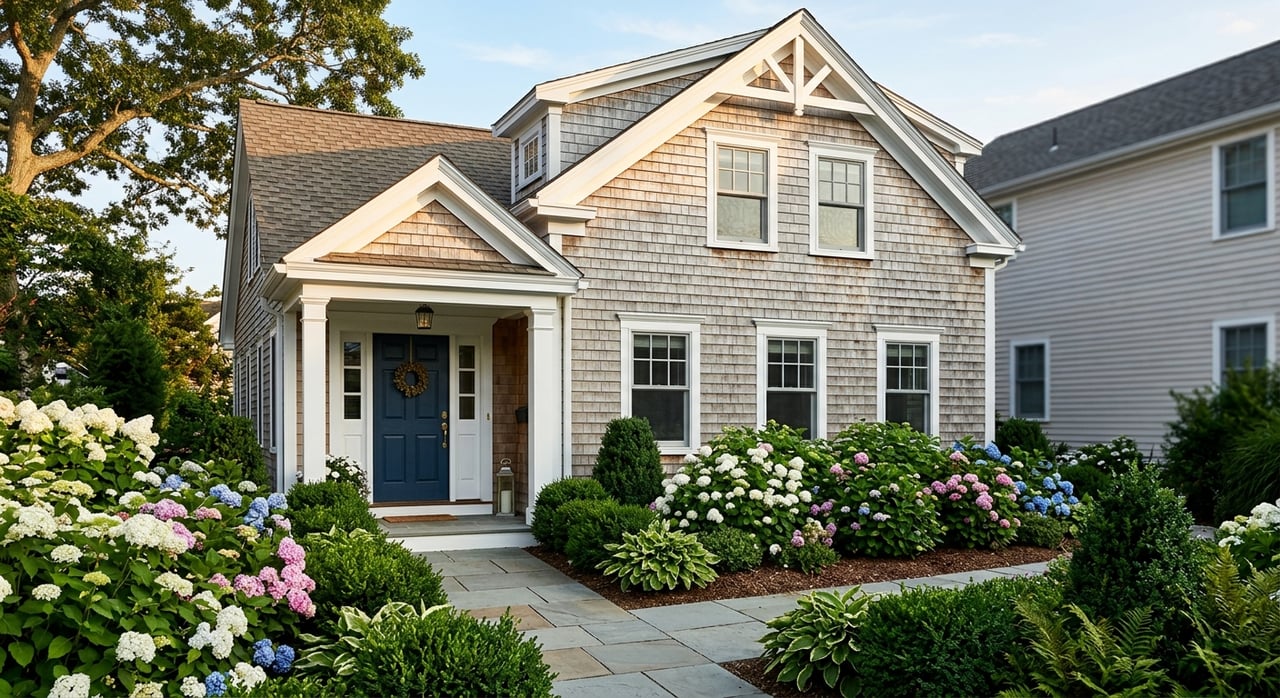
How your home looks online sets the tone before a buyer ever steps inside. Presentation should honor your property’s character while proving it fits modern life.
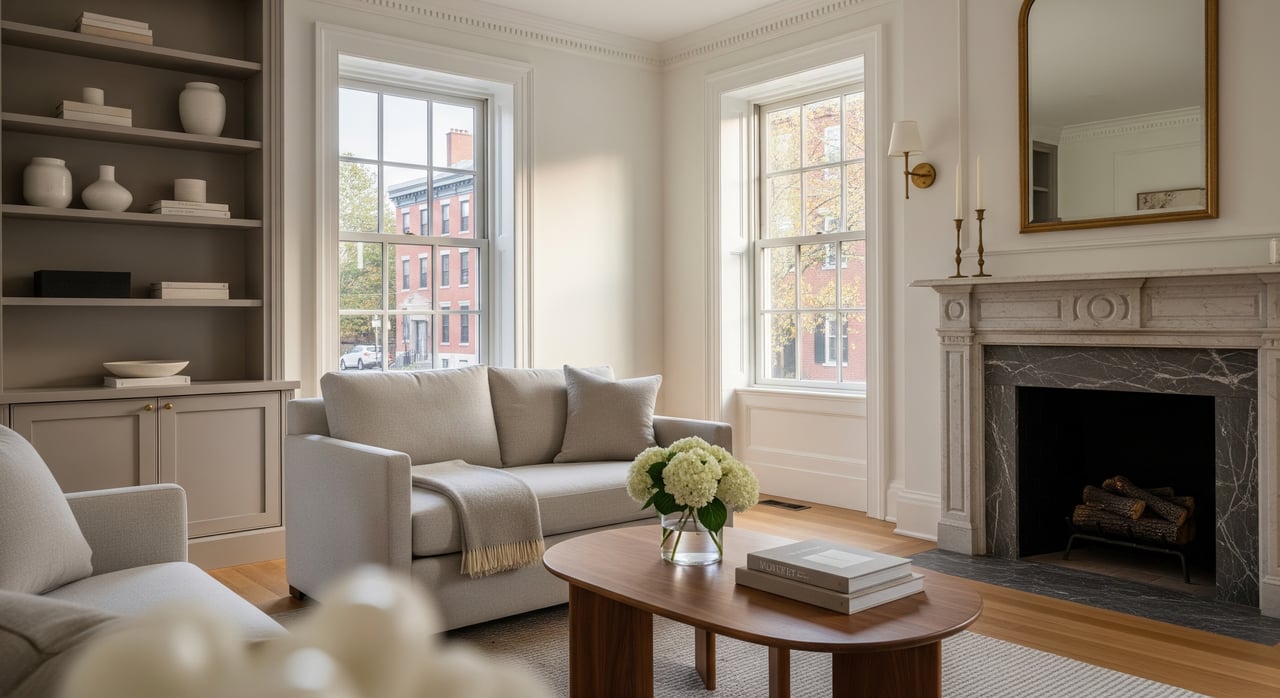
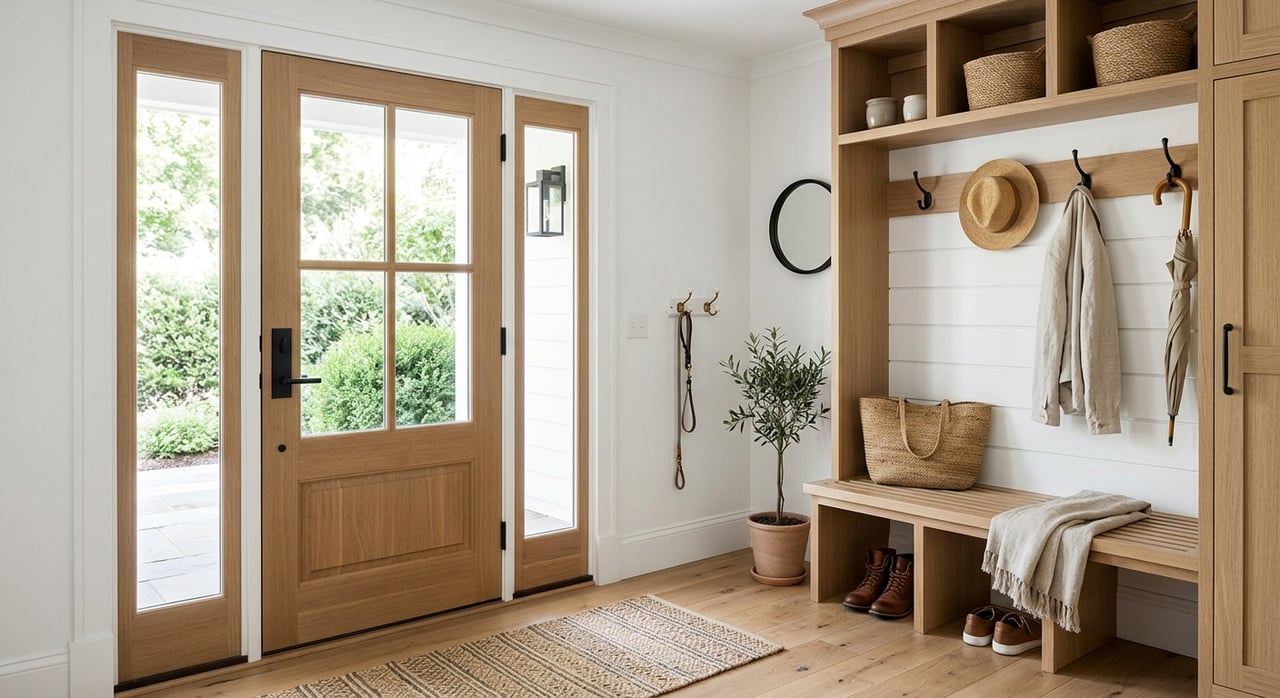
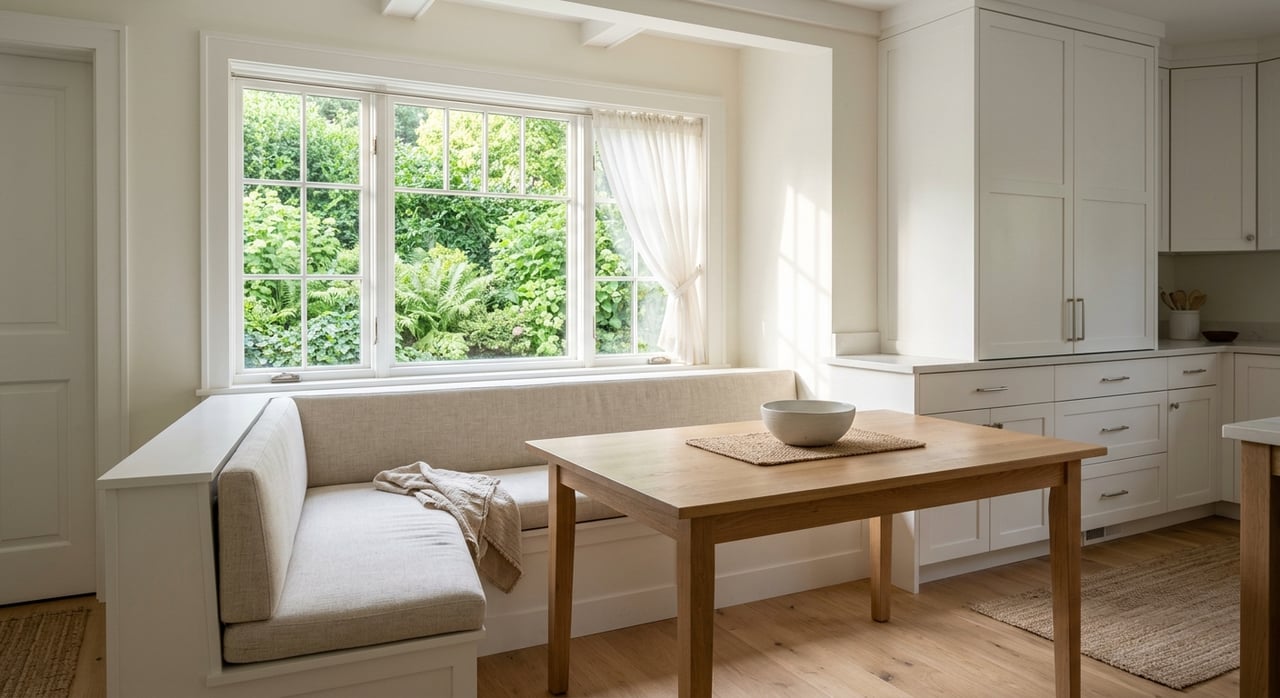
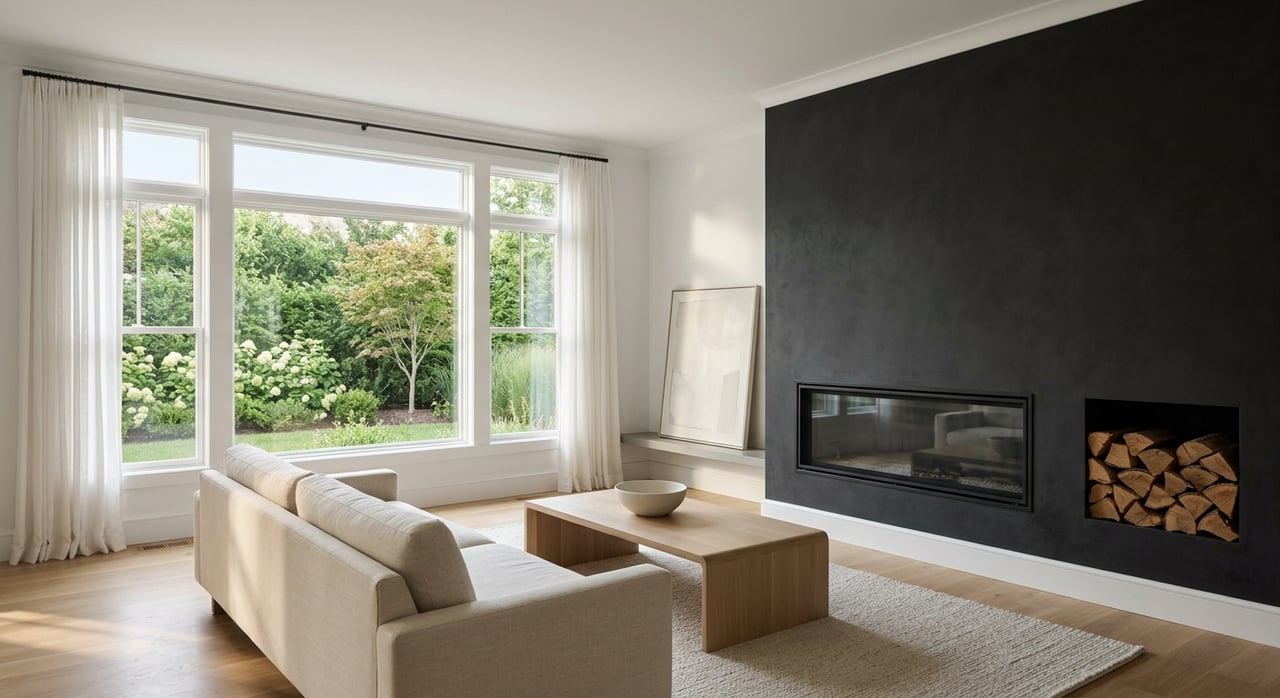
Industry research shows that staged homes often sell faster and are perceived as more move-in ready. In Providence, highlight millwork, fireplaces, and tall windows, then furnish to show flow, light, and flexible work or play areas. Choose the level of staging that fits your price point and buyer pool:
If your likely buyer is an investor, scale staging to emphasize clean lines and rental-ready function rather than designer layers.
Professional photos are critical. Prioritize quality over quantity. Aim for wide-angle interior shots, clear exterior views, and a balanced mix that shows light and layout. Add a floor plan and a 3D tour or video walkthrough when possible. These tools increase time on listing pages and help out-of-area or busy buyers commit to a showing.
Schedule photos after repairs, deep cleaning, and staging. Choose a sunny day and time rooms to capture natural light.
Different buyers notice different details. Shape your prep to match who will likely walk through the door.
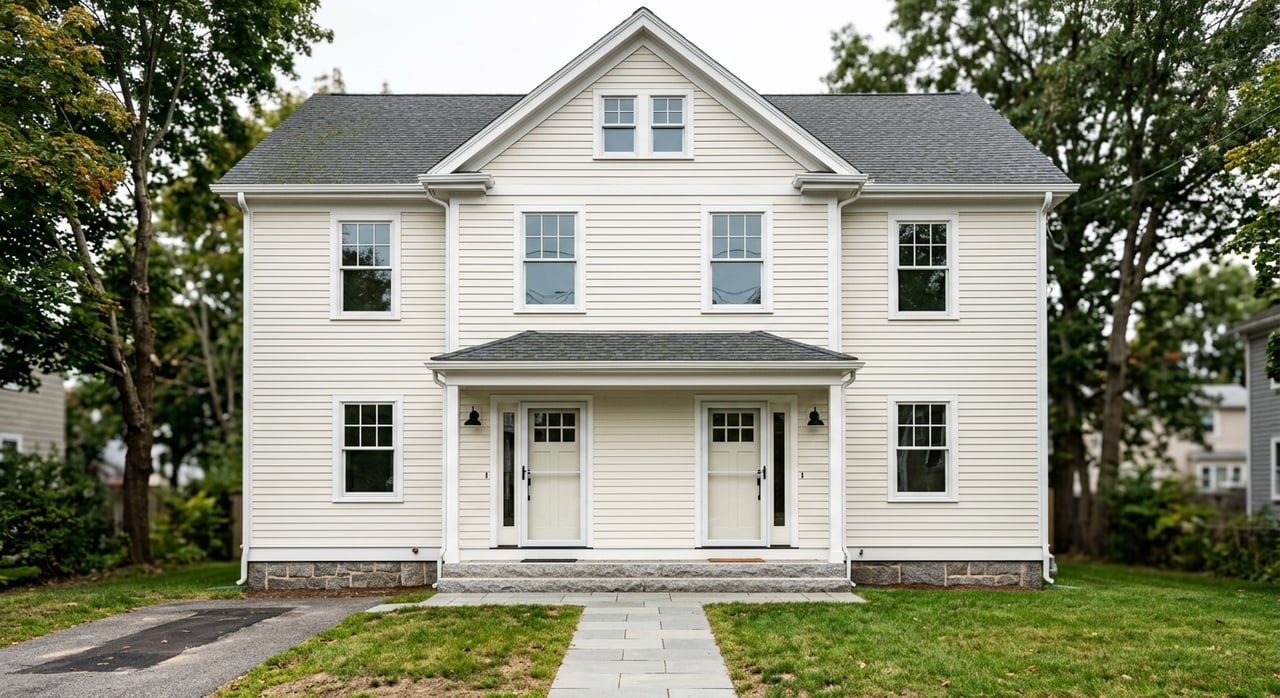
Celebrate preserved features like trim and fireplaces while showcasing modern comfort, especially in kitchens, baths, and heating. If in a historic district, confirm approval needs early for any exterior work. Buyers appreciate original character most when basic systems are clearly maintained and documented.
For triple-deckers and mixed-use or multi-family homes, present clean mechanical rooms, clear unit layouts, and organized utility information. Offer recent maintenance records and rental history if available. A neat, well-lit basement and labeled systems signal low friction to investors.
Parking is at a premium in many Providence neighborhoods. Be precise about arrangements, whether assigned spaces, off-street spots, on-street permitting, or garages. Stage to highlight storage solutions and bike-friendly features where relevant.
Choose the track that fits your move. Each plan builds momentum while protecting your calendar.
Rhode Island energy programs and utility rebates can offset costs for insulation, heating upgrades, and select appliances. If you plan efficiency work before listing, review eligibility and contractor requirements. These improvements matter to buyers who want lower monthly costs and a more comfortable home.
Measure what matters so you can adjust in real time.
Preparation typically reduces friction and can improve outcomes, but impact varies by neighborhood norms, price point, and broader market conditions. The most reliable way to judge a project’s value is to compare against recent local sales that reflect similar updates.
A coordinated team keeps your timeline on track and safeguards your budget.
Many full-service agents coordinate pre-listing work, staging, and professional marketing, sometimes with programs that fund improvements and get repaid at closing. Ask for a written scope of services and fees, examples of past Providence projects, and how vendor payments are handled.
Review portfolios that show results with homes like yours. Confirm availability that aligns with renovation timelines. Book media after staging and final cleaning for the strongest visual impact.
Thoughtful preparation aligns your home with what Providence buyers value today. When you combine smart repairs, selective upgrades, and polished presentation, you set the stage for stronger offers and a smoother path to closing. If you want a clear plan, vetted local vendors, and Compass-backed concierge options that make prep easier, connect with Stefanie Carr to get started.
Stay up to date on the latest real estate trends.
Work with Stefanie Carr for expert guidance, local insight, and a personalized real estate experience in Providence and throughout Rhode Island. Every detail is handled with care, strategy, and your goals in mind.