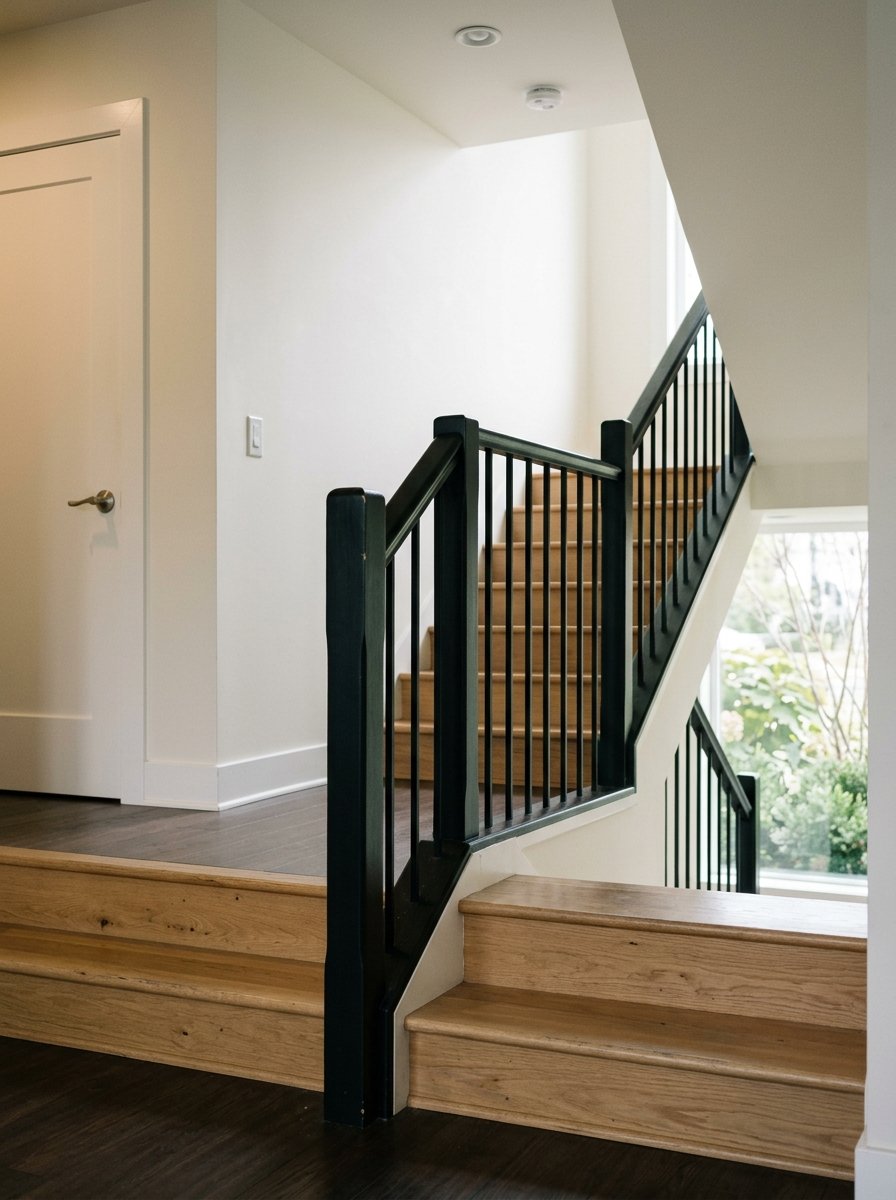
How to Sell a Providence Multifamily with Confidence
July 9, 2026
July 9, 2026
If you own a Providence multifamily, getting it ready for sale is about more than a quick cleanup. Buyers are still active, but they are comparing condition, paperwork, and compliance details carefully, especially in older properties. With the right prep, you can reduce friction, build confidence, and put your building in a stronger position before it hits the market. Let’s dive in.
Providence buyers are often evaluating two things at once: the building as a physical asset and the income as an investment. That makes presentation important, but it also makes documentation just as important. A property that looks cared for and comes with organized records is easier for a buyer to understand and easier to move forward on.
Current market conditions support that approach. Rhode Island’s statewide multifamily report for April 2026 showed a median sales price of $615,950 and 38 days on market, while Providence city-level data showed a $450,000 median listing price and 28 median days on market. In a market like this, strong listings still get attention, but buyers have enough options to compare details closely.
Providence’s housing stock also changes the equation. The City reports that 58% of housing units were built before 1940, and about 86% of rental housing units were built before 1980. For many 2 to 4 unit properties, that means age-related wear, deferred maintenance, and lead-related issues can play a big role in how buyers view risk.
A strong multifamily sale often begins with a clean, complete file. Before photos, staging, or marketing, it helps to gather the documents a serious buyer is likely to request. When that information is ready early, you make it easier for buyers to underwrite the property quickly.
Your seller packet should usually include:
This kind of preparation matters because buyers want fewer surprises. If the income is clear, the repairs are documented, and the compliance items are in order, your listing feels more credible from the start.
In Providence, compliance is a key part of sale preparation for multifamily properties. Rhode Island’s Rental Registry requires landlords to register rental properties, and new owners must register within 30 days of acquisition or leasing. Owners must also re-register annually by October 1.
If your property was built before 1978, lead compliance deserves close attention. Rhode Island says those buildings need a valid lead certificate unless they qualify for an exemption. For many sellers, this is one of the most important items to confirm before listing.
Federal lead disclosure rules also apply to most pre-1978 housing. Sellers and landlords must provide the lead pamphlet, any known lead hazards, available inspection records and reports, and a lead warning statement. Signed disclosures must be kept for three years after the sale or lease, and in multifamily buildings that can include records for common areas and other units from building-wide evaluations.
Rhode Island’s lead program adds another layer. Owners of non-exempt pre-1978 rentals must obtain a Certificate of Lead Conformance, fix lead hazards within 30 calendar days if a unit fails inspection, and renew the certificate every two years. If you are missing records or unsure of the property’s status, it is smart to sort that out before marketing begins.
Providence’s 2026 rent-stabilization ordinance may affect how investor buyers evaluate your property. The ordinance applies broadly to rental dwelling units, with certain exemptions such as some owner-occupied 1 to 3 unit properties and new construction for 15 years. Before you discuss rent increases, vacancy pricing, or lease strategy with buyers, you should verify whether your property is covered.
This step helps you market the building accurately. It also protects against overstating income potential, which can create unnecessary friction during due diligence. Clear facts are always better than optimistic assumptions.
For most Providence multifamily sellers, the best pre-listing improvements are cosmetic and functional. Rhode Island market guidance notes that minor cosmetic updates like fresh paint, updated fixtures, and tidy landscaping can help, while major renovations often do not return their full cost. In other words, the goal is usually not a full transformation.
Instead, focus on the visible issues that shape first impressions and inspection results. In many 2 to 4 unit properties, that means a cleaner, brighter, more cared-for presentation across the spaces buyers see first. It also means removing signs that the property will become a project the moment it changes hands.
High-impact items often include:
These improvements can help buyers focus on the opportunity instead of the to-do list. They also support better photos and stronger showings.
If your building was built before 1978, even simple improvement work needs a thoughtful approach. Rhode Island says pre-1978 buildings are assumed to contain lead paint, and work that disturbs painted surfaces is regulated. Larger projects generally require licensed lead professionals.
The state also says exterior projects that disturb lead paint require written notice to neighbors within 50 feet at least seven days before work begins. In addition, most renovation, repair, and painting work that disturbs lead paint must be performed by licensed firms and certified renovators. That means a quick cosmetic project is not always as simple as it sounds.
This is one reason strategic prep matters. The best use of your budget is often fixing visible condition problems that hurt buyer confidence, rather than chasing an extensive remodel with more cost, more time, and more compliance complexity.
Two sale-readiness items deserve special attention in Providence: alarm compliance and unresolved code issues. These can slow a transaction if they are left until the last minute. Taking care of them early helps create a cleaner path to closing.
Providence’s Fire Prevention Bureau says smoke and carbon monoxide alarm inspections are required for homes being sold. The seller pays a $30 inspection fee, and the purchaser must receive a fire-department certificate showing the alarms were inspected within 120 days of sale. Rhode Island’s Life Safety Code also says the seller bears the inspection cost and must provide the purchaser with the certificate at transfer.
Providence housing-code issues can also create avoidable problems. The City’s 311 guidance says residential premises must meet a minimum level of health and safety, and unresolved violations can lead to warning notices, notices of violation, reinspections after 30 days, additional fines, and even housing-court prosecution. A pre-listing walkthrough can help you spot issues before a buyer’s inspector does.
A Providence multifamily sells more smoothly when the buyer can quickly understand the story of the property. That story should show stable rent, clear expenses, obvious upkeep, and no major unknowns. When the information is easy to review, your listing feels easier to trust.
A strong presentation often includes professional photography, a straightforward rent roll, recent utility and expense information, permit or inspection records, and a short summary of upgrades. That package helps buyers evaluate both cash flow and condition without working through confusion. It also helps your property stand out for the right reasons.
This is especially important in a market where buyers are active but selective. Providence and Rhode Island multifamily data suggest buyers are willing to move, but they are still comparing income, maintenance, and compliance details carefully. The smoother you make that review process, the stronger your sale position tends to be.
Not every seller wants to spend heavily before listing, and not every property needs it. The smartest plan is usually targeted, not oversized. You want to spend where it reduces objections, improves presentation, and supports price.
For some sellers, that may mean paint, lighting, and common-area cleanup. For others, it may mean resolving deferred maintenance, organizing compliance files, or preparing a cleaner documentation package for investor review. If lead-related work is needed, Rhode Island notes that financial help may be available through programs such as RIHousing’s LeadSafe Homes Program and a state tax credit for lead-abatement or mitigation work.
This is where tailored advice matters. The right scope depends on your property, your timeline, and the type of buyer you want to attract.
In practical terms, a well-prepared Providence multifamily is not just freshly painted. It is easier to inspect, easier to insure, easier to understand, and easier to transfer. That is what gives buyers confidence.
The strongest sales usually combine a few key elements:
When those pieces come together, your listing is better positioned to compete. Buyers can focus on the value of the asset instead of the uncertainty around it.
If you are thinking about selling a Providence multifamily, thoughtful preparation can make a real difference in both buyer confidence and overall results. For strategic guidance on pricing, presentation, and pre-listing improvements, Stefanie Carr can help you build a plan that fits your property and your goals.
Stay up to date on the latest real estate trends.






Work with Stefanie Carr for expert guidance, local insight, and a personalized real estate experience in Providence and throughout Rhode Island. Every detail is handled with care, strategy, and your goals in mind.