Newport Condo vs House: How to Choose the Right Fit
May 28, 2026
May 28, 2026
Trying to decide between a condo and a cottage home in Newport? It is a smart question, and in this market, the answer is about much more than square footage. Newport’s coastal setting, historic rules, tax structure, and seasonal rhythms all shape what ownership really feels like day to day. If you want to choose with more clarity and fewer surprises, this guide will help you weigh the tradeoffs. Let’s dive in.
In Newport, a condo-versus-cottage decision is shaped by the city’s coastal and historic character. The city has long dealt with flooding in low-lying areas, and local guidance notes that severe storms, high tides, and hurricanes have made that risk more significant in recent years.
That matters because ownership here can involve more than a monthly payment and basic upkeep. Flood exposure, historic district review, and the way you plan to use the home can all affect your costs, your flexibility, and your long-term comfort with the property.
Newport also values these property types differently in its tax base. According to the city’s FY2026 budget materials, median assessed values are about $834,300 for single-family homes and $520,400 for condos. While every property is unique, that gap helps explain why buyers often compare these two options closely.
A condo in Newport often appeals to buyers who want a simpler, more flexible lifestyle. If your priority is having a place near downtown, the harbor, dining, or waterfront recreation without managing a yard or full exterior upkeep, a condo can be a strong fit.
Rhode Island condo ownership is built around shared responsibility. State law assigns each unit a share of common elements and common expenses, which means you are usually contributing to the upkeep of building systems and shared areas through the association.
That setup can reduce some of the hands-on work that comes with owning a detached home. At the same time, it does not eliminate costs. You still need to budget for ongoing association expenses and review how the building handles maintenance and repairs.
A condo may make sense if you want:
For many buyers, that convenience is the biggest advantage. Places like Thames Street and the waterfront draw people who want to spend their time enjoying Newport, not coordinating yard work or larger exterior projects.
A condo can feel lower maintenance, but it is not always simpler when changes are involved. In Newport’s historic district process, exterior work on a condo may still require city review, and the Certificate of Appropriateness application asks whether the property is in condominium ownership and requires proof of board or association approval when applicable.
In practical terms, that can mean two layers of permission. If you want to change windows, doors, roofing, or another visible exterior feature, you may need both association approval and city approval.
You should also look closely at the association’s records and rules. Since common expenses, repair history, and governance can shape both your monthly costs and your ownership experience, these documents are a key part of due diligence.
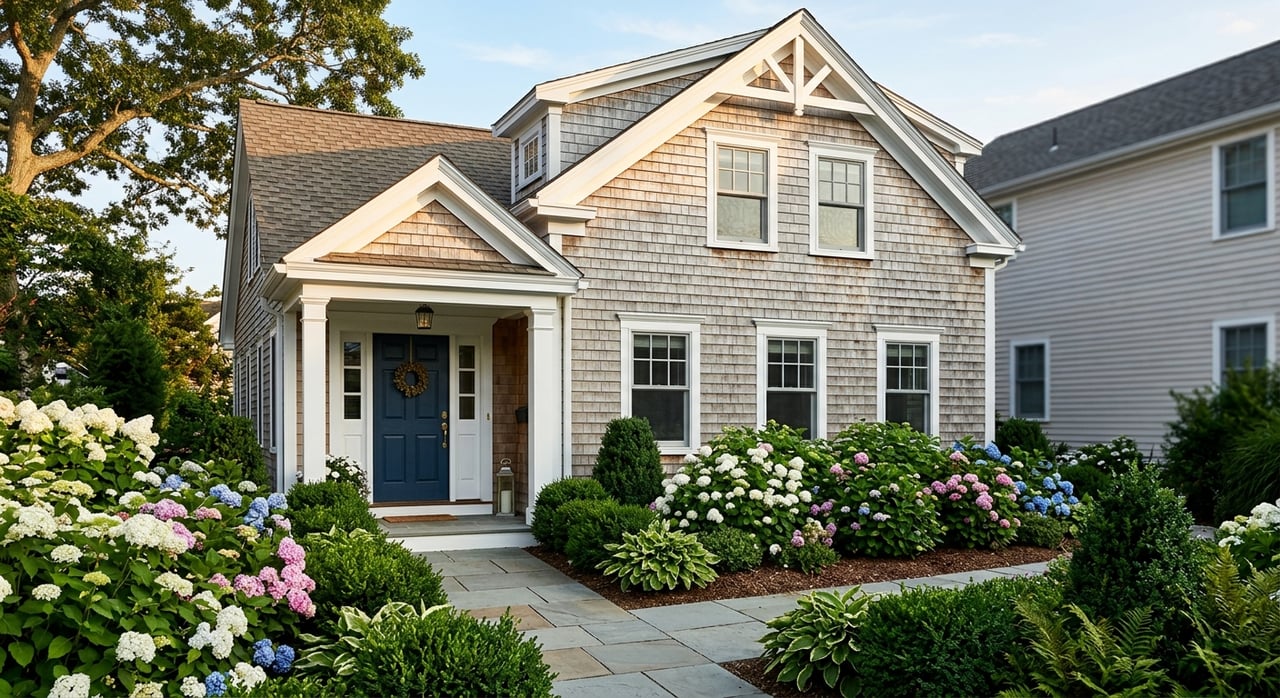
A cottage-style single-family home usually offers more privacy and more direct control over the property. If you picture a detached home with outdoor space and a more independent day-to-day experience, this option may align better with how you want to live in Newport.
That independence comes with more responsibility. Unlike condo ownership, where many exterior and shared maintenance items are handled through an association, a cottage owner is typically responsible for the full upkeep burden.
In a coastal setting, that matters. FEMA notes that salt spray and moisture can speed corrosion and decay in coastal construction, so exterior materials, storm prep, and long-term maintenance planning are especially important for detached homes near the water.
A cottage-style home may be the better choice if you want:
For buyers who plan to spend extended time in Newport, these benefits can be meaningful. A detached home often feels more personal and more adaptable to your routine, even if that flexibility has limits.
A standalone house does not always mean total freedom. In Newport’s local historic districts, exterior work requires a Certificate of Appropriateness, approved plans must be followed, and project changes need review before work continues.
That can affect choices that might seem simple at first. Replacing windows, changing a roof, adjusting stairs, altering fencing, or modifying landscaping may all involve review, especially when the property has historic significance.
The city’s guidance also limits some site changes. Buildings should not be moved to accommodate additions or parking, and parking under elevated contributing buildings is not permitted. So while a cottage offers more autonomy than a condo, it does not guarantee unlimited flexibility.
Flood risk should be part of your decision no matter which property type you prefer. Newport’s local guidance highlights the city’s ongoing flood exposure, particularly in low-lying areas and locations shaped by filled land.
If a property is in a FEMA flood zone, flood insurance may be a separate policy. FEMA also notes that homeowners insurance usually does not cover flood damage, which makes this an important budget item to verify early.
For some buyers, this is where the condo and cottage comparison becomes very practical. A smaller footprint and shared maintenance structure may feel easier to manage, while a detached home may require a more hands-on approach to flood readiness, materials, and storm planning.
Historic review is one of the biggest Newport-specific factors to understand before you buy. If the property is inside the local historic district, exterior changes may require approval, and that can affect both condos and detached homes.
For condo buyers, this can mean city review plus board approval. For cottage buyers, it can mean close attention to repair methods, replacement materials, and how any changes fit the surrounding historic context.
If you love Newport’s character, these rules are often part of what protects it. Still, it is wise to understand the approval process before you fall in love with a project or assume a renovation will be straightforward.
Your intended use of the property also matters in Newport. The city uses a two-tier residential tax structure, and its owner-occupied application states that you must physically live at the property for more than seven months of the year as your principal residence to qualify.
If you are buying a second home, that detail can affect how the property is taxed. Whether you choose a condo or a cottage, your occupancy plan should be part of the financial comparison from the start.
This is especially important for buyers who expect to use the property seasonally. A home that looks appealing on paper can carry a different long-term cost depending on how it is classified.
Newport’s lifestyle is a major draw, but practical access matters too. The city’s parking guide notes that downtown Newport tends to be congested in the summer and that on-street parking can be hard to find.
That makes parking an important item on your showing checklist. A condo with assigned parking or a cottage with reliable off-street parking may offer more day-to-day ease than a property that depends heavily on street availability.
A condo is often the better fit when convenience is your top priority. If you want a low-maintenance base, easier lock-and-leave use, and quick access to downtown Newport, the harbor, dining, and shoreline recreation, condo living may align well with your goals.
A cottage-style home is often the stronger match when you want privacy, outdoor space, and a more detached ownership experience. If you are comfortable taking on maintenance, historic review, and coastal upkeep, a cottage can offer a more personal and independent way to live in Newport.
In other words, the best choice depends on how you want to use the property. The right answer is not just about style. It is about maintenance, approvals, taxes, flood exposure, parking, and how hands-on you want ownership to be.
Before you choose between a condo and a cottage home, make sure you answer these questions:
A thoughtful review up front can help you avoid the most common surprises. In a market as distinctive as Newport, details matter.
If you want help weighing the real-world tradeoffs between a Newport condo and a cottage home, Stefanie Carr offers calm, tailored guidance to help you choose the property that fits your lifestyle and long-term goals.
Stay up to date on the latest real estate trends.
Work with Stefanie Carr for expert guidance, local insight, and a personalized real estate experience in Providence and throughout Rhode Island. Every detail is handled with care, strategy, and your goals in mind.