Is Lincoln RI A Fit For Your Next Move?
March 24, 2026
March 24, 2026
Thinking about a move and wondering if Lincoln, RI fits your lifestyle and budget? You are not alone. Many buyers look north of Providence for a quieter pace, more space, and easy access to parks. In this guide, you will get a clear picture of housing costs, taxes, schools, commuting, and everyday amenities so you can decide with confidence. Let’s dive in.
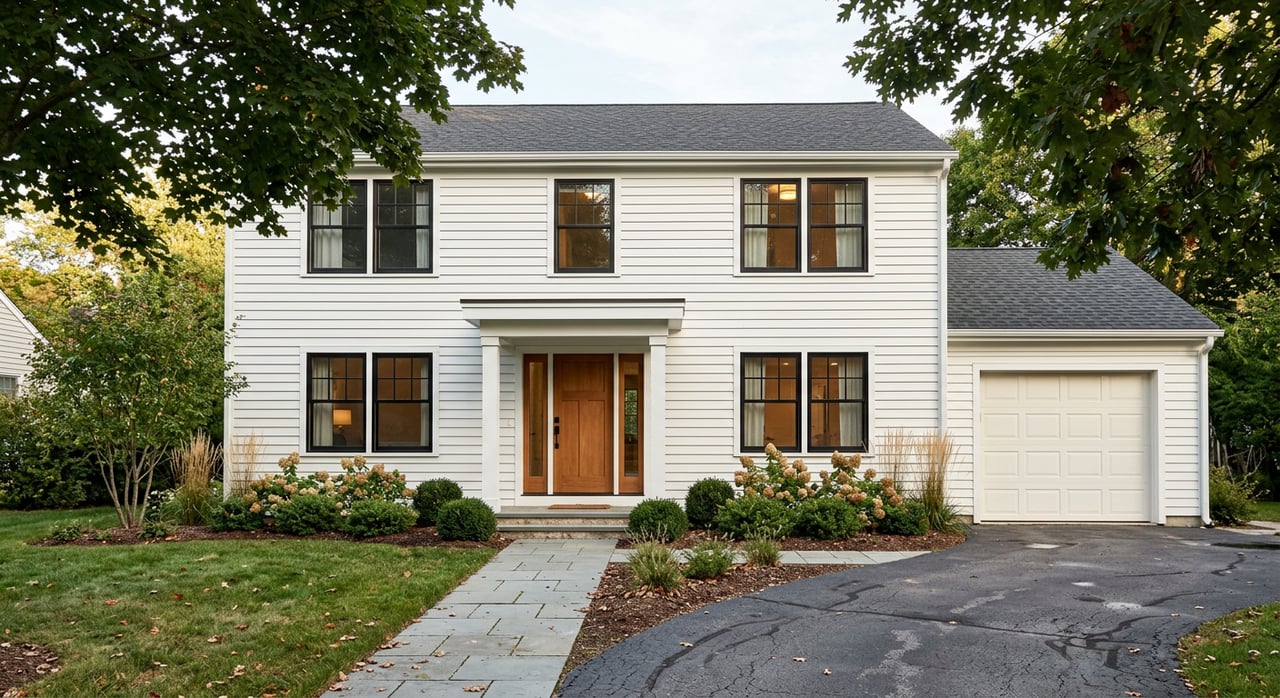
Lincoln is a suburban town just north of Providence with a 2020 population of 22,529. It blends historic mill-village neighborhoods with newer suburban areas, which gives you a range of home styles and street patterns to choose from. You will hear village names like Lonsdale, Manville, Saylesville, Lime Rock, Quinnville, Albion, and Fairlawn used in everyday conversation. These are long-standing local hubs with their own character and history. For a quick overview of the town’s layout and villages, explore the Lincoln, Rhode Island profile.
Lincoln’s appeal is practical. You get access to green space, an active bikeway, and a car-friendly commute to Providence, all with suburban housing options and services.
Early 2026 market snapshots put Lincoln’s typical home values in the low to mid $500,000s, with a median sale price reported around the high $530,000s at that time. Figures like these change month to month, so treat them as directional signals rather than a promise for a specific property.
What is clear is the longer trend. The town’s comprehensive plan shows median sale prices rose strongly from the mid‑2010s through 2023 while inventory tightened and days on market fell. That combination pushed prices higher than county and state medians during that period. You can read the town’s planning context in the Community Comprehensive Plan.
Lincoln’s median household income was about $94,571 as of the 2021 American Community Survey, which is higher than the county and state medians. That household profile helps explain steady housing demand and supports property values. The income data and market trends appear in the same municipal plan.
Lincoln published a 2025 residential tax rate of $13.523 per $1,000 of assessed value. Include this line item when you model your monthly payment and escrow. For details, exemptions, or the most current rate, check the town’s Tax Assessor page.
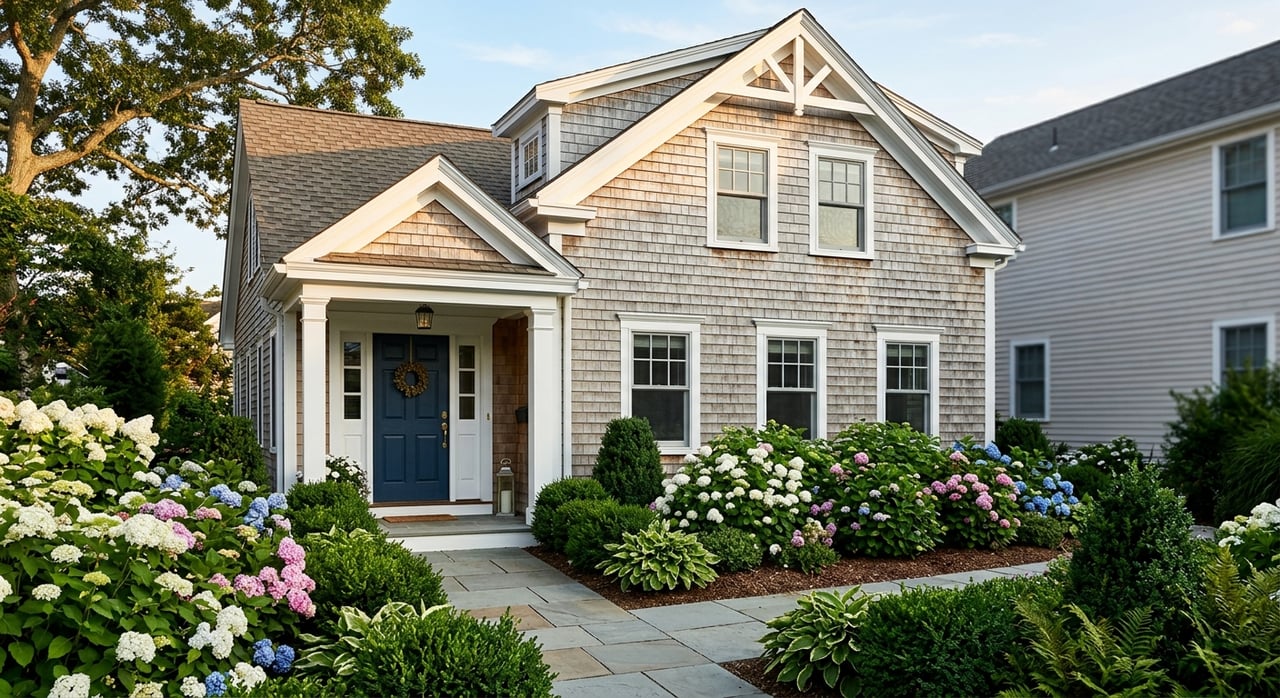
Lincoln is largely a single‑family market. The municipal plan reports roughly 80 to 85 percent of homes are one‑unit detached. That means many neighborhoods offer yard space and driveways, which is a draw if you are moving up from a condo or city apartment. See the housing profile in the Community Comprehensive Plan.
A meaningful share of homes predate 1960, especially in and around the historic village cores. You will also see post‑1980 and post‑2000 infill. Older homes often come with charm and renovation opportunities. If you are weighing updates, factor in roof, mechanicals, windows, and any past permit history so you know what you are buying.
Lincoln Public Schools operate four elementary schools, one middle school, and one high school. District enrollment was about 3,312 students as of 2024, according to the town’s plan. In November 2023, voters approved a $25 million elementary‑school bond for facility upgrades, which signals ongoing capital investment. You can review district structure and planning notes in the Community Comprehensive Plan.
If schools are part of your decision, look at current district resources, programming, and any active construction timelines to understand how they may affect daily routines.
Lincoln is a car‑forward town. About 87 percent of residents drive alone to work, and many commute into Providence. Route 146 and Route 99 provide the most direct connections south into the city and north toward Massachusetts. Morning and evening peaks can add time, so plan for a buffer during rush hours. Commute mode split and corridor details are covered in the Community Comprehensive Plan.
Public transit is available through RIPTA. Route 54 and related lines serve Lincoln, linking local stops with Providence and nearby hubs. If you expect to rely on transit, check current timetables and frequency for your work hours on the RIPTA Route 54 page.
Cycling and recreation are part of daily life for many residents. The Blackstone River Bikeway runs through town and connects into a larger regional trail system. You can see the state’s overview of alignments and segments on the Rhode Island DOT bikeway page.
Outdoor access is one of Lincoln’s signatures. Lincoln Woods State Park wraps around Olney Pond with walking paths, a small beach, non‑motorized boating, and year‑round recreation. It is a family‑friendly spot for quick hikes, picnics, and winter play. Learn more about the park’s features on the Lincoln Woods State Park page.
The Blackstone River Bikeway links local villages to a broader trail network through the Blackstone Valley National Heritage area. It is great for weekend rides, training runs, and low‑stress spins with kids. For trip ideas and regional context, see the National Park Service’s overview of Bike the Blackstone.
For entertainment, Bally’s Twin River is a prominent local venue and employer with casino gaming, events, and on‑site dining. If you enjoy a night out close to home, it is a convenient option. You can read more about its background on the Bally’s Twin River page.
Everyday shopping is anchored near the Lincoln Mall area and along key corridors with grocery, pharmacy, and services. Larger dining and retail clusters are a short drive into Providence or adjacent towns.
Here are practical takeaways based on who you are and what you need:
First‑time buyers: Lincoln offers long‑term stability, parks, and a strong single‑family mix. Median pricing and tight inventory mean a careful affordability check is essential. Smaller single‑family homes or select condos can be smart entry points. Revisit live listings often and consider nearby towns if you need more price flexibility. These considerations appear throughout the town’s planning report.
Move‑up households: If you want more indoor and outdoor space, Lincoln’s high share of single‑family homes, larger lots in many neighborhoods, and access to Lincoln Woods and the bikeway are a strong pairing. The district’s recent capital investment is an added planning signal for families.
Commuters to Providence and beyond: Routes 146 and 99 make daily car commutes practical, with the usual rush‑hour caveats. If you plan to ride the bus, confirm RIPTA schedules for your specific work hours.
If Lincoln is on your shortlist, the next move is to align your wish list and budget with what is available right now. That includes price checks by neighborhood, realistic commute timing, and an inspection‑minded look at older homes and recent upgrades. You should also model taxes, potential renovation costs, and timing for any school facility work near your target streets.
You do not have to do this alone. With renovation fluency, Compass Concierge resources for pre‑listing improvements, and calm, data‑driven advocacy, Stefanie Carr can help you compare Lincoln with nearby options and move forward with clarity. Schedule a consultation to get a tailored plan for your next move.
Stay up to date on the latest real estate trends.
Work with Stefanie Carr for expert guidance, local insight, and a personalized real estate experience in Providence and throughout Rhode Island. Every detail is handled with care, strategy, and your goals in mind.