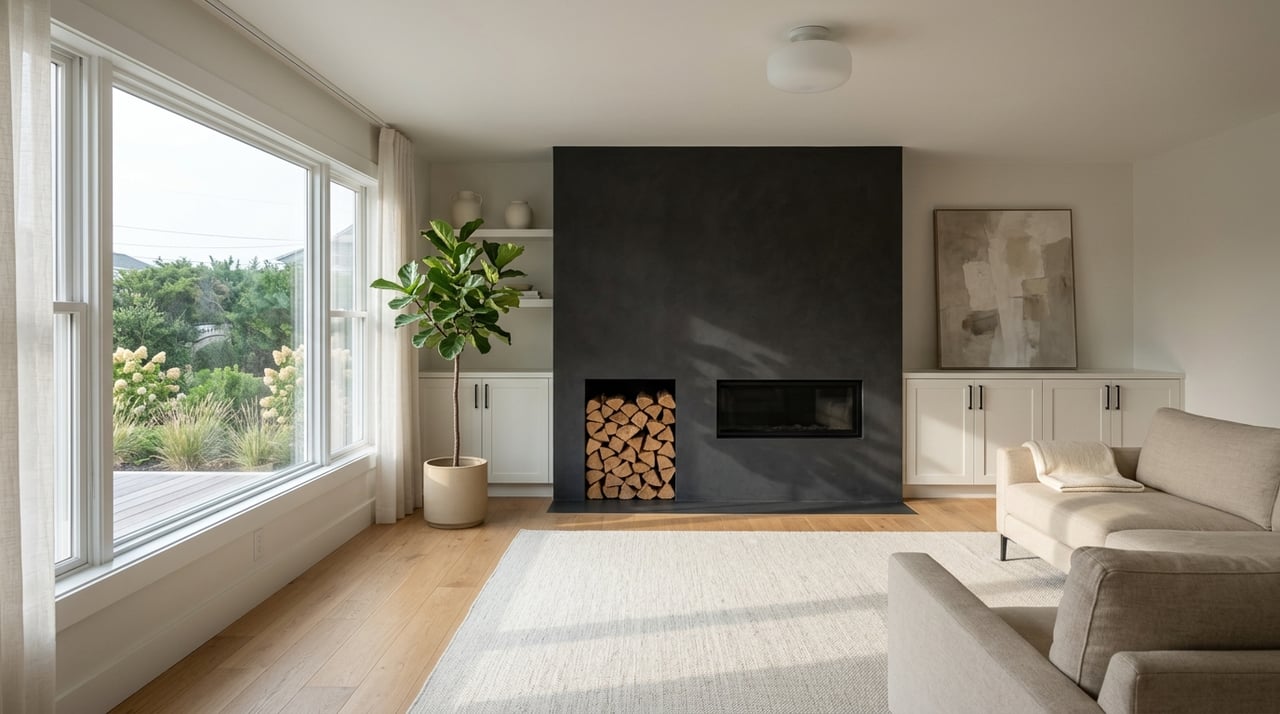
Quiet Coastal Luxury: Life In Watch Hill
March 26, 2026
March 26, 2026
Looking for a coastal hideaway where mornings start with harbor light and end with quiet, pink sunsets? If you want understated luxury with a real village feel, Watch Hill delivers a rare mix of walkability, beach access, and timeless New England charm. In this guide, you’ll learn how daily life flows here, what to expect from the housing market, and the practical steps to buy with confidence. Let’s dive in.
Watch Hill is a compact coastal village at the southwestern tip of Rhode Island with a long history as a classic New England summer colony. It is part of the Town of Westerly and counted just 212 residents in the 2020 Census within about 0.82 square miles, which helps explain its quiet, private feel. You’ll find an established community, an emphasis on preservation, and a pace that favors morning beach walks and easy evenings. For quick context on size and location, see the village overview on Wikipedia.
Much of Watch Hill sits within a recognized historic district, and local nonprofits help steward nearby coastal landscapes. That balance of heritage and conservation plays a major role in how the village looks, feels, and evolves.
Bay Street is your main street. It is short, charming, and easy to walk. You can pick up coffee, step into small boutiques, and enjoy a few long-running local spots. Many shops are seasonal, which keeps the village calm for much of the year. In summer, foot traffic rises, but the scale remains intimate.
Beaches anchor daily life here. On the village side, Watch Hill Beach and East Beach offer classic sand-and-surf days. Just beyond, Napatree Point stretches about 1.3 miles as a protected sandy spit of roughly 86 acres. Managed as a conservation area, Napatree is a National Audubon Globally Important Bird Area and a University of Rhode Island Coastal Institute Climate Response Demonstration Site. Expect clear signage, seasonal protections for shorebirds, and a culture of stewardship. Learn more from the Watch Hill Conservancy’s overview of Napatree.
Coastal change is part of the story here. Scientific studies document the way storms and seasons shape Napatree’s shoreline. If you love nature, the shifting sands and conservation work are fascinating. If you plan to buy, they are also a reminder to plan for coastal risk. For background on shoreline dynamics, review this scientific summary of Napatree’s coastal processes.
Boating is central to Watch Hill’s summer rhythm. The Watch Hill Yacht Club is a private anchor for sailing, racing, and social events around the small harbor. Moorings in Watch Hill Cove are limited and typically managed through waitlists, which shapes whether you use a private vessel or opt for local charters. For a look at seasonal programs and harbor culture, visit the Watch Hill Yacht Club.
Several touchstones define the village’s character:
Together, these elements set a high bar for hospitality while keeping the village feel intact.
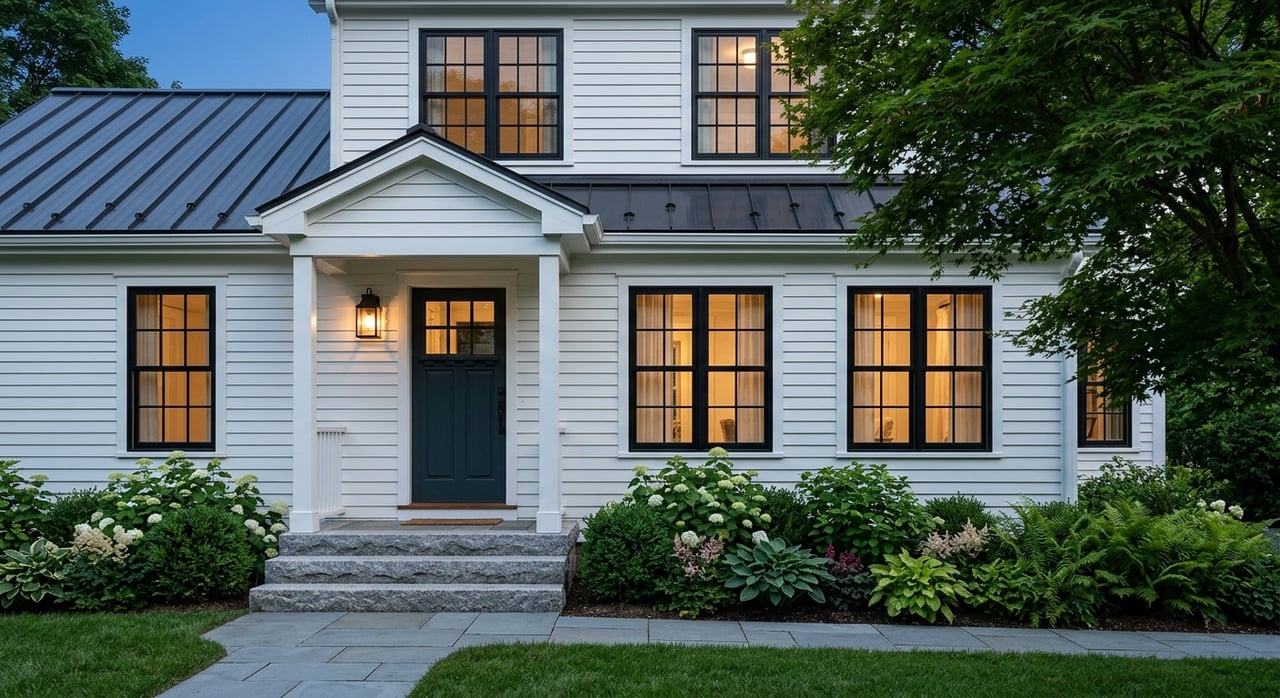
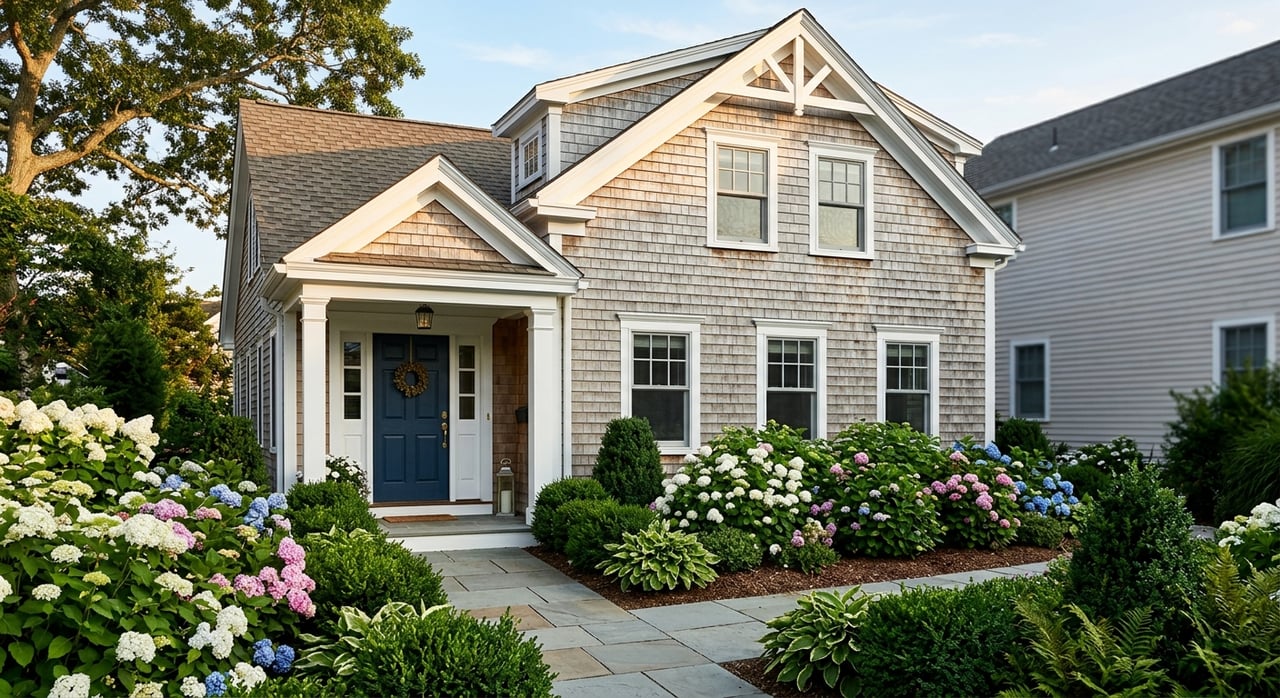
Watch Hill’s architecture reflects more than a century of coastal life. You’ll see late 19th and early 20th century Shingle Style and Victorian cottages, refined Colonial Revival updates, and thoughtful modern renovations. Preservation is strong, so many homes are restored or expanded rather than replaced.
Typical property types include:
Many homes are used seasonally, and year-round residences are in the minority. Inventory can be tight because turnover is low. A recent municipal market study notes this ownership pattern and confirms that much of the village functions as a second-home community. See the Westerly-wide analysis from RIHousing and MTAP.
Prices in coastal Watch Hill stand apart from the rest of Westerly. The RIHousing/MTAP study reports a 2023 neighborhood median near 2.17 million dollars for Watch Hill, compared with about 499,000 dollars townwide. Small sample sizes in the village make neighborhood medians volatile, so treat them as scale markers rather than targets for any single property. For live pricing, rely on current MLS data and a local advisor who tracks active listings and recent trades. Source: RIHousing and MTAP market study.
Ownership in Watch Hill skews toward second homes with a core of long-held family properties. That supports the village’s quiet character but also limits inventory. The community includes a state-chartered fire district that can levy assessments for district services. The Town of Westerly collects the main property tax for schools and town services. When you model ownership costs, account for both town taxes and any fire district charges. For a quick governance overview, see the village page on Wikipedia.
Short-term rentals have increased across greater Westerly in recent years. Policies and enforcement are town-managed and can affect neighborhood dynamics. If rental flexibility is part of your plan, review current rules and seasonal norms in advance. The RIHousing study summarizes recent trends.
Most residents and visitors arrive by car. Typical drives are about 1.5 to 2 hours from Boston and 3 to 4 hours from New York, depending on traffic. T. F. Green International Airport in the Providence area offers the closest major air service.
For rail, Amtrak’s Northeast Regional serves the Westerly station, which works well for weekend and seasonal travel to and from Boston or New York. Station details are available on Great American Stations.
Watch Hill is served by the Westerly Public Schools district. Families who live here full time plan education based on household needs, which can include district schools and regional private options. Learn more from Westerly Public Schools.
Watch Hill has a strong seasonal rhythm. From May through September, the village hums with beach days, sailing, resort events, and family gatherings. In the shoulder seasons and winter, life is notably quieter. The prevailing culture values discretion and respect for neighbors, which helps maintain a calm, long-standing community feel.
Sea-level rise and storm impacts are part of coastal living here. Local agencies and university programs use Napatree and Watch Hill as study and demonstration sites, and ongoing projects address dunes, access management, and habitat protection. If you are evaluating a property near the water, plan to:
For background on shoreline change at Napatree, see this scientific overview.
If Watch Hill is on your shortlist, a focused plan will help you move with confidence:
When you are ready to explore homes, local guidance matters. For discreet, high-touch buyer representation and data-informed strategy across coastal Rhode Island, connect with Stefanie Carr. She pairs clear advice with polished execution so you can pursue the right Watch Hill opportunity with confidence.
Stay up to date on the latest real estate trends.
Work with Stefanie Carr for expert guidance, local insight, and a personalized real estate experience in Providence and throughout Rhode Island. Every detail is handled with care, strategy, and your goals in mind.