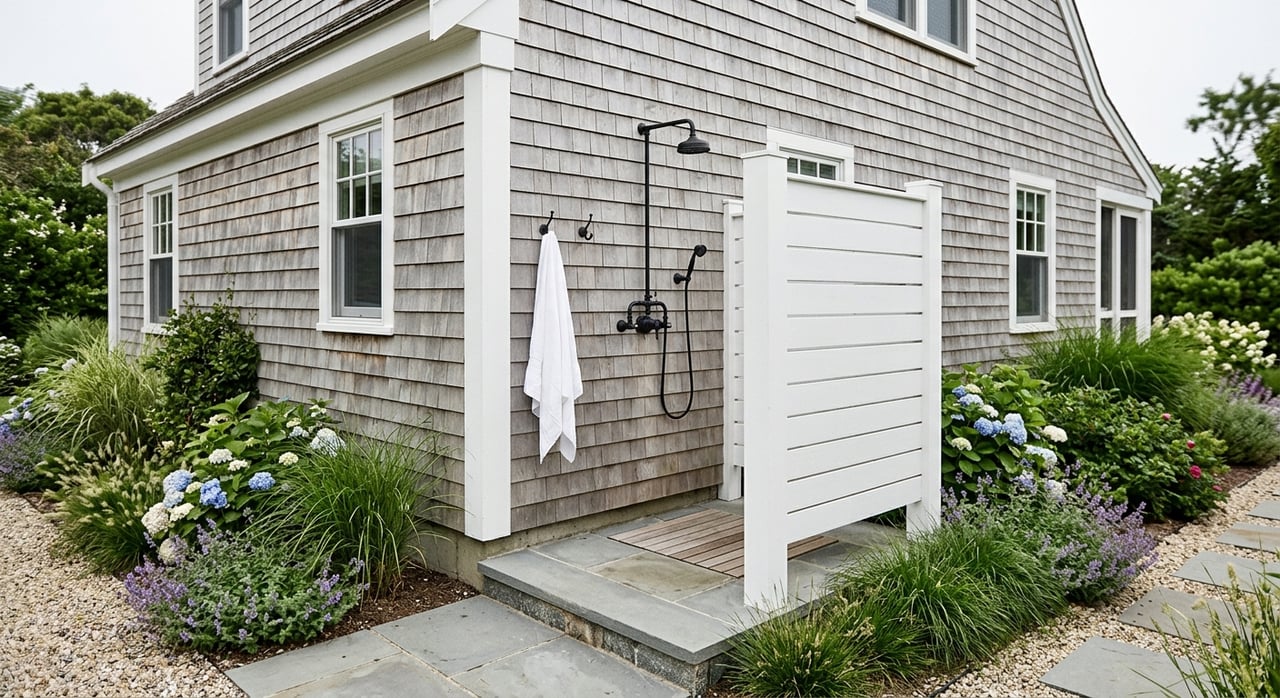
Jamestown RI Waterfront Living and Village Life
April 2, 2026
April 2, 2026
If you are drawn to coastal Rhode Island, Jamestown often stands out for a simple reason: it offers waterfront access and a true village center in one small, mostly residential island community. Whether you are looking for a primary home, a second home, or a place that keeps boating and daily life closely connected, it helps to understand how Jamestown actually functions day to day. This guide explains what waterfront living and village life look like in Jamestown, what tradeoffs to expect, and how to think about fit before you make a move. Let’s dive in.
Jamestown sits on Conanicut Island in Narragansett Bay and remains small by design and feel. The town’s July 1, 2024 estimated population was 5,494, and the land area is 9.45 square miles, which helps explain why it feels more compact and less built-up than many other coastal markets in Rhode Island.
The housing profile also matters. According to the U.S. Census QuickFacts for Jamestown, the owner-occupied housing rate is high, and the median value of owner-occupied homes is $842,400. In practical terms, that points to a community where year-round residential living plays a major role and where buyers should be prepared for a higher-cost market.
Jamestown’s planning documents describe the village as the town’s central area for service and retail uses. The same plan notes nearly 90 businesses in the two main commercial zones, along with major civic buildings and public facilities in the village area, including the library, town hall, recreation center, police station, and fire and ambulance buildings.
That structure shapes daily life in a useful way. Instead of a spread-out commercial pattern, you get a more traditional village setup where errands, public services, and local businesses are concentrated in a defined core. For many buyers, that creates a sense of convenience without changing the town’s quieter residential character.
Jamestown’s comprehensive plan describes the village as a traditional grid-street area and notes that sidewalks are mainly on major streets, where they are viewed as important to preserving village walkability. That means you can expect the most pedestrian-friendly experience in and around the village core rather than evenly across the island.
If you want a home where you can stay connected to shops, services, and civic spaces on foot, location inside or near the village may matter more than it first appears. If you prefer more separation, privacy, or a broader coastal setting, areas farther from the core may be a better fit.
A Rhode Island preservation survey of Jamestown describes the community as quiet and primarily residential. It also notes that Jamestown is no longer defined by strictly seasonal summer colonies and that much of its more recent housing has been built for year-round use.
That is an important distinction if you are comparing Jamestown with places that lean harder into tourism or short-term seasonal activity. Jamestown still has summer energy, but the strongest overall pattern is a residential town with an active village center and strong coastal access.
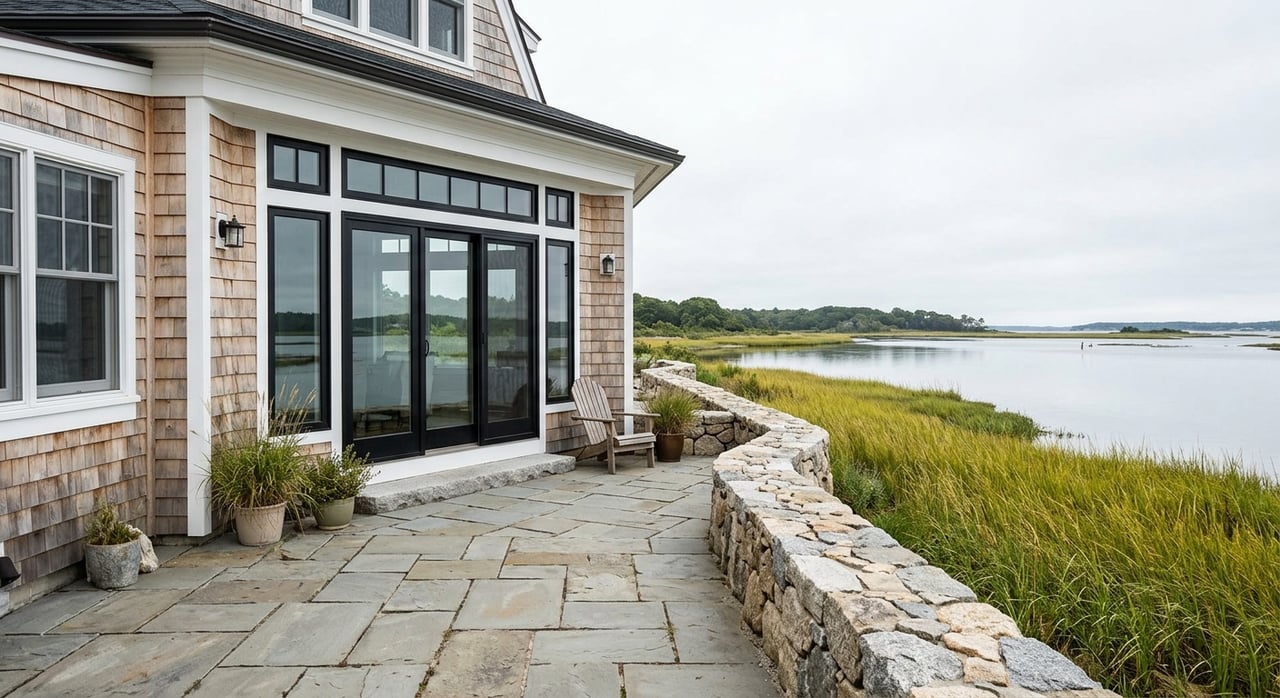
For many buyers, Jamestown’s biggest draw is how naturally boating fits into the local lifestyle. The Jamestown Harbor Office lists public boating facilities that include boat ramps at East Ferry, Fort Getty, and Fort Wetherill, along with pumpout facilities in both harbors and no-cost touch-and-go docks.
The harbor rules also allow overnight anchorage in town waters for up to three nights, except in conservation zones. There is also a mooring wait list, which is worth knowing upfront if mooring access is central to your plans.
The town’s planning materials identify a broader marine network that includes East Ferry, West Ferry, Clark Boat Yard, Conanicut Marine Services, Dutch Harbor Boat Yard, and Jamestown Boat Yard. The plan also notes that most of these facilities maintain transient moorings for visitors.
For you as a buyer, that means Jamestown is not just scenic waterfront. It is a place with working boating infrastructure, service points, and multiple launch or access options that support day-to-day marine use.
Another useful piece of the puzzle is transportation by water. Jamestown’s transportation information includes a seasonal Jamestown-Newport ferry service, which adds another connection between the island and Newport.
That service may not define your housing choice on its own, but it does reinforce a broader lifestyle pattern. In Jamestown, the water is not only a view. It is also part of how people move, recreate, and orient daily life.
If you want regular public access to the shoreline, Jamestown offers several well-known town facilities. The town’s parks and facilities page describes East Ferry Memorial Square as a popular area for boating, fishing, and views, and notes that East Ferry Facilities offer free access to the boat ramp and pumpout stations.
Fort Getty is another major asset. According to the town’s Fort Getty information page, the 41-acre site includes old fortifications, a rocky beach, a public boat ramp, a dock, and views across the West Passage.
Jamestown also offers places that feel less like formal marina space and more like open-air shoreline recreation. The town describes Taylor Point as a 25-acre overlook area used for picnicking, swimming, fishing, and clamming, while Potter’s Cove is noted as an ideal area for boating and anchorage.
That range matters because not every waterfront buyer wants the same thing. Some people want direct boating convenience, while others care more about shoreline views, easy outdoor access, or spots to spend a relaxed afternoon near the water.
Beyond town-run facilities, Jamestown also benefits from major outdoor destinations. Beavertail State Park is known for scenic overlooks, rocky coastline, saltwater fishing, hiking, birding, and the Beavertail Lighthouse Museum.
Fort Wetherill State Park adds another dramatic setting, with 100-foot granite cliffs, views of Newport Harbor, and activities that include boating, fishing, hiking, picnicking, and scuba diving. If your version of waterfront living includes regular time outdoors, these public spaces are a meaningful part of Jamestown’s appeal.
One of the most important practical details in Jamestown is that some shoreline and recreation access is structured around resident use. The town’s resident recreation pass program applies to places including Mackerel Cove Beach, Fort Getty Park, Park Dock, and Heads Beach.
That does not reduce Jamestown’s appeal, but it does remind you that waterfront living here is not the same as living in a fully commercial beach town. If access to specific facilities matters to you, it is smart to understand how public access, resident programs, and boating logistics line up with your lifestyle.
Jamestown’s overall feel is calm and residential, but the town plan notes that summer tourism can increase activity and parking pressure in the village. This is a common tradeoff in desirable coastal communities.
For some buyers, that seasonal energy is part of the charm. For others, it means thinking carefully about where on the island you want to be and how close you want to live to the busiest parts of the village and shoreline during peak months.
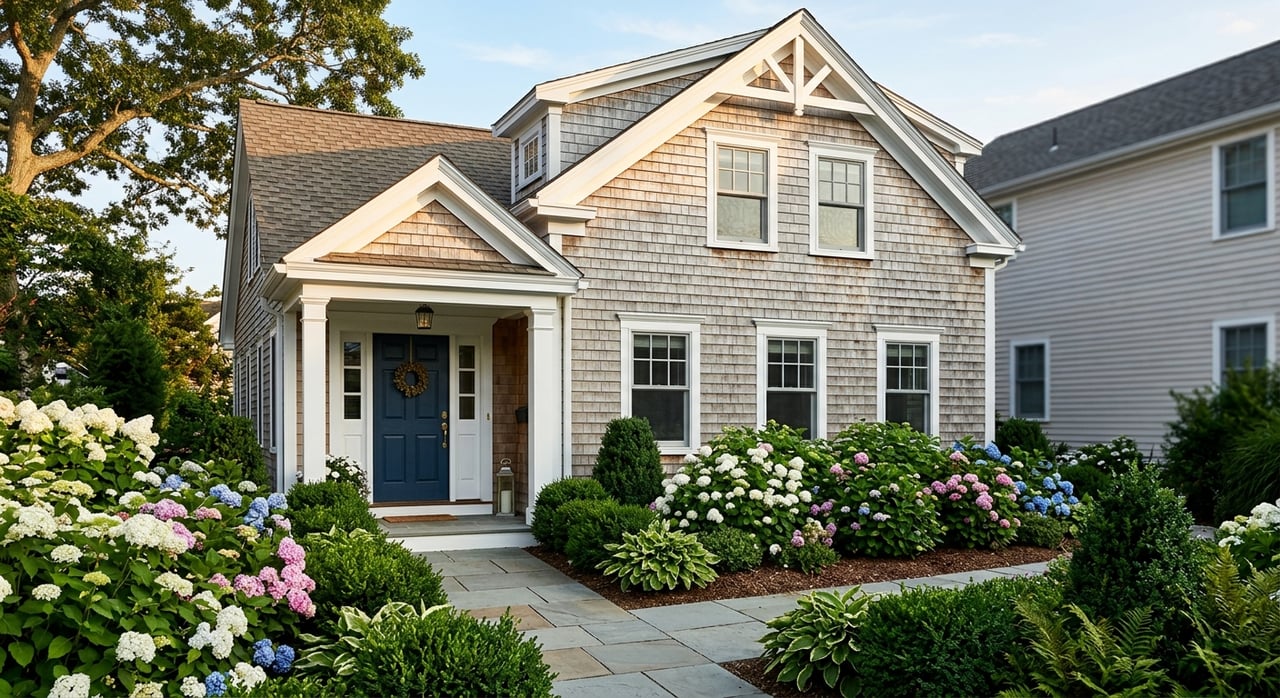
Jamestown’s preservation survey says the housing stock ranges from Colonial to contemporary styles. That variety can be appealing if you want options, but it also means home searches here often involve tradeoffs among architecture, lot setting, village proximity, and water access.
Some buyers prioritize character and closeness to the village. Others focus on privacy, views, or a layout suited to year-round coastal living. Jamestown can support different priorities, but the right fit often depends on how you want to live on the island, not just what kind of house you want.
One of the clearest takeaways from the research is that Jamestown is best understood as a mostly year-round residential market rather than a purely seasonal destination. The preservation survey notes that many year-round residents live in the village, while others live throughout the island.
If you are searching for a place that feels active beyond summer, this is encouraging. If you want a coastal home with a stronger vacation-town rhythm, Jamestown may feel quieter and more residential than expected.
Based on the town and state sources, Jamestown tends to be a strong match if you are looking for:
The main tradeoffs are just as important to understand:
The best way to think about Jamestown is to see it as a balance between waterfront lifestyle and grounded daily living. You are not choosing between a village and the water. In many ways, Jamestown works because it combines both in one small community.
If you picture your ideal week including a walkable town center, time on the water, public shoreline access, and a quieter year-round residential setting, Jamestown may deserve a close look. If you want help weighing village location, waterfront priorities, or how Jamestown compares with other coastal Rhode Island communities, Stefanie Carr can help you evaluate the fit with clarity and confidence.
Stay up to date on the latest real estate trends.


Work with Stefanie Carr for expert guidance, local insight, and a personalized real estate experience in Providence and throughout Rhode Island. Every detail is handled with care, strategy, and your goals in mind.