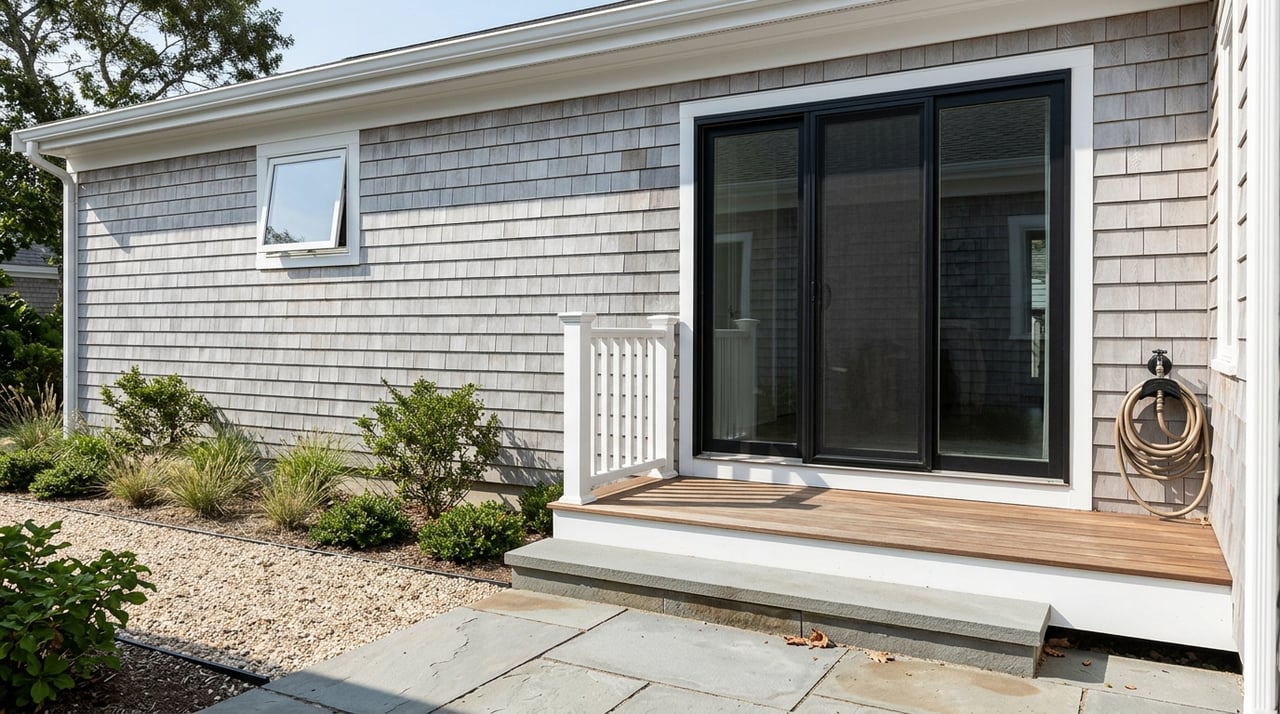
Buying a Beach House in Narragansett: Costs to Know
April 9, 2026
April 9, 2026
Thinking about buying a beach house in Narragansett? The view may be easy to fall for, but the smartest buyers look beyond the water and ask a more important question: what will this home really cost to own, maintain, and use year-round or seasonally? If you want a coastal property that fits your lifestyle and your budget, it helps to understand flood risk, beach access, taxes, rental rules, and shoreline regulations before you make an offer. Let’s dive in.
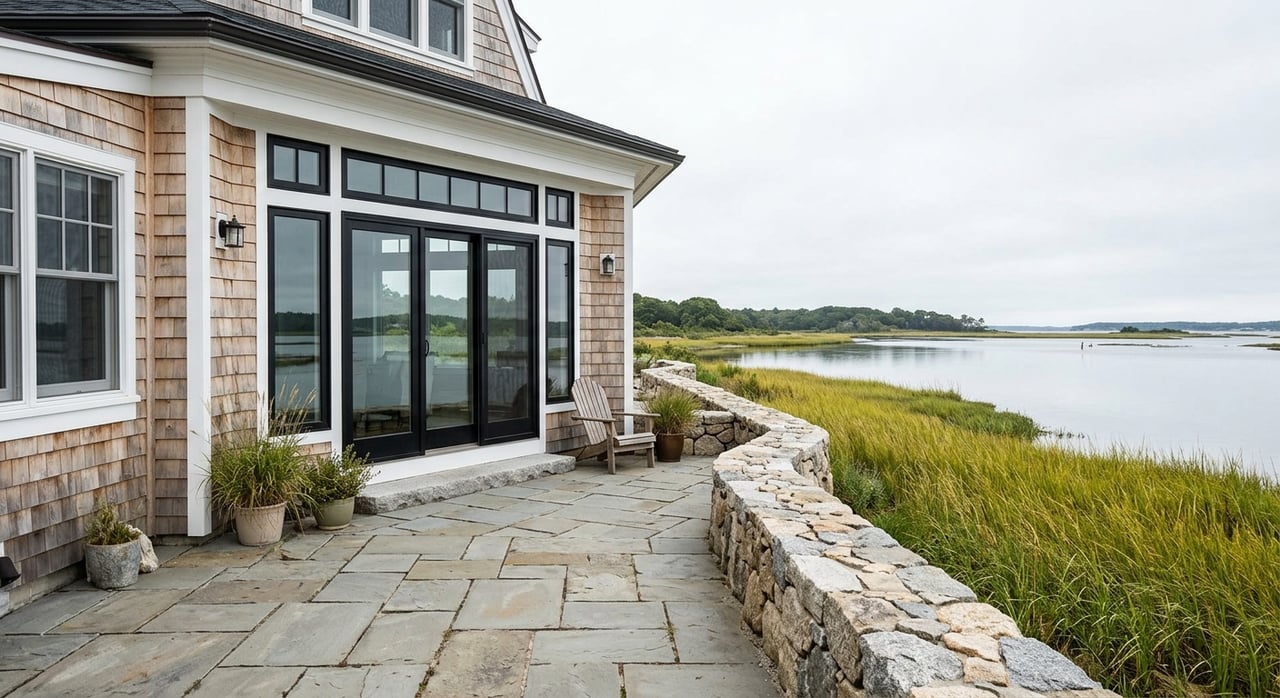
Narragansett offers the coastal lifestyle many buyers picture when they think about Rhode Island living. You get easy access to the shoreline, seasonal energy, and a beach-town setting that appeals to both second-home buyers and year-round residents.
That appeal also creates competition. Redfin reports that in February 2026, Narragansett had a median sale price of $800,000, a median sale price per square foot of $551, and a median of 72 days on market, with the market described as somewhat competitive.
If your goal is to spend a lot of time at Narragansett Town Beach, access and parking should be part of your buying decision. According to the Town of Narragansett beach information, the beach opens Memorial Day weekend, the full paid season runs from May 30 through Labor Day, and after Labor Day the beach is free but no lifeguards are on duty.
Summer demand is significant. The town says attendance can reach 5,000 patrons per day, which means congestion and parking pressure are part of peak-season ownership.
For nonresidents, daily beach admission is listed at $12 per person, and the town directs nonresidents to the West Lot for parking. The same town guidance notes that seasonal parking passes do not guarantee a parking space.
Beach costs can look different depending on how you will use the property. Under the town’s beach admission pass policy, seasonal passes are sold only to town residents or taxpayers and are non-transferable.
The 2026 policy lists resident or taxpayer seasonal parking stickers at $50 and transferable resident passes at $100, with a limit of five per household. The town also states that property owners who pay at least $800 in local real-property taxes to Narragansett qualify for the seasonal residential-rate beach pass.
For many buyers, that means beach-house budgeting is not just about the purchase price. It is also about how often you plan to use the town beach, what kind of access you qualify for, and how comfortable you are with peak-season crowds.
A beach house can offer a great lifestyle, but coastal risk needs careful attention. The town’s FEMA flood maps page says Narragansett is especially vulnerable to coastal flooding, hurricanes, and tropical storms.
That same page notes the town can help identify whether a parcel is in a FEMA Special Flood Hazard Area and provide the base flood elevation. This is one of the first items you should verify before moving forward on a coastal purchase.
It is also important to know that standard homeowners insurance does not typically cover flooding. The town notes that flood insurance is usually purchased separately through the National Flood Insurance Program, and FEMA recognizes flood maps as the official tool for reviewing flood hazards.
If you are buying with plans to renovate, expand, or rework the site, coastal rules matter just as much as the home itself. The Rhode Island Coastal Resources Management Council guide says a permit is required for construction or alteration activity on a shoreline feature or within 200 feet of one.
CRMC also states that the minimum setback is 50 feet, while erosion areas can require larger setbacks tied to shoreline change rates. The guide recommends exceeding minimum setbacks when possible because shoreline conditions change over time.
This is especially important if you are comparing two homes with similar views but different lots. A property’s future flexibility may depend on shoreline features, past permitting, and how much of the lot falls within coastal review areas.
Some buyers assume a shoreline protection structure removes most of the risk. That is not always the case.
CRMC warns that shoreline protection structures can worsen erosion, affect neighboring properties, and influence public access. NOAA also notes that more frequent or severe coastal flooding can increase salt exposure, which may require corrosion-resistant materials and more frequent maintenance in coastal homes.
In practical terms, you should expect a beach house to have a different maintenance profile than an inland property. Salt air, flooding exposure, and weather conditions can affect everything from exterior finishes to hardware and building systems.
Not every coastal home is served by municipal sewer, so wastewater systems deserve a close review during due diligence. CRMC says coastal onsite wastewater systems can be damaged by storms, flooding, or erosion.
The agency also notes that within 50 feet of the shoreline, a system must be zero-discharge, and cesspools within 200 feet of the shoreline must be replaced or connected to sewer lines. Narragansett’s Building Inspection Department also enforces flood-zone requirements and ISDS regulations.
If a home has septic or another onsite system, ask how close it is to the shoreline, whether it has been upgraded, and whether any coastal limitations could affect repairs or replacement later.
A beach house budget should include taxes, insurance, maintenance, and seasonal-use costs. According to Rhode Island’s 2025 municipal tax-rate schedule, Narragansett’s residential tax rate is $6.79 per $1,000 of assessed value, while commercial real estate is taxed at $9.17 per $1,000.
The town bills real-estate taxes quarterly, with installments due in July, October, January, and April. That payment schedule is worth factoring into your annual carrying-cost planning.
For many buyers, the larger lesson is simple: the real cost of ownership includes more than the closing disclosure. In Narragansett, beach-use fees, flood insurance, coastal maintenance, and property taxes can all materially affect the economics of the purchase.
If you are hoping the property will help generate income, make sure you review rental rules before you buy. Narragansett’s rental registration page says the town has delayed registration of short-term and summer-only rentals because of litigation and a temporary restraining order, but it still directs owners to the current rental ordinance.
The ordinance says a short-term rental permit is not transferable, expires upon sale of the dwelling unit, requires an inspection and proof of at least $1 million in liability insurance, and is subject to permit caps. The cap is 1,000 for the permit year beginning September 2025 and 900 for the permit year beginning September 2026.
That means you should never assume a seller’s rental setup simply carries over to you. If rental income is part of your plan, confirm what approvals, inspections, and timing would apply after closing.
State tax rules changed in 2026, and those changes matter for buyers considering short-term rentals. Rhode Island says that for short-term rentals of 30 days or fewer, the local hotel tax increased to 2%, and a new 5% tax applies to a residential dwelling rented in its entirety, in addition to the state’s 7% sales tax.
There is also a new non-owner-occupied property tax beginning July 1, 2026, for residential properties assessed above $1 million that are not the owner’s primary residence. The state says the tax is based on whether the owner occupies the property for at least 183 days in the privilege year, with exemptions that can apply to long-term rentals of 183 days or more and to short-term rentals rented for 183 days or more during that year.
If you are weighing personal use against rental income, these rules can change your projected numbers. It is wise to review the property through both a lifestyle lens and an ownership-cost lens.
Before you move forward on a Narragansett beach house, make sure you can answer these practical questions:
These are not small details. In a coastal market, they can shape both your day-to-day experience and your long-term costs.
Buying a beach house in Narragansett can be a rewarding move, but the smartest purchase is usually the one that balances emotion with careful due diligence. The lifestyle is real, but so are the ownership realities tied to flooding, shoreline regulation, taxes, parking, maintenance, and rental compliance.
When you understand those factors early, you can compare properties more clearly and buy with confidence. If you are considering a beach house in Narragansett and want thoughtful, detail-driven guidance, Stefanie Carr can help you evaluate the opportunity with clarity and care.
Stay up to date on the latest real estate trends.


Work with Stefanie Carr for expert guidance, local insight, and a personalized real estate experience in Providence and throughout Rhode Island. Every detail is handled with care, strategy, and your goals in mind.