Preparing Your East Greenwich Home For A Standout Sale
May 7, 2026
May 7, 2026
If you think East Greenwich’s seller-friendly market means you can list your home as-is and still expect a standout result, it is worth taking a closer look. Buyers are still active, but they also have enough options to compare condition, presentation, and value carefully. When you prepare your home with intention, you give yourself a better chance to attract strong early interest and protect your asking price. Let’s dive in.
East Greenwich was a seller’s market in March and April 2026, with 66 homes for sale, a median sold price of $625,000, median days on market of 57, and a sale-to-list ratio of 100%. At the state level, Rhode Island remained tight on inventory too, with 1.7 months of inventory in January 2026 and 1.4 months in February 2026. That is favorable for sellers, but it does not mean every home sells instantly or at top dollar without effort.
In practical terms, buyers in East Greenwich are still moving quickly when a home feels polished, well cared for, and easy to understand online. If your home shows deferred maintenance, feels cluttered, or looks unfinished in photos, buyers may move on to the next option. A standout sale is often created before your home ever hits the market.
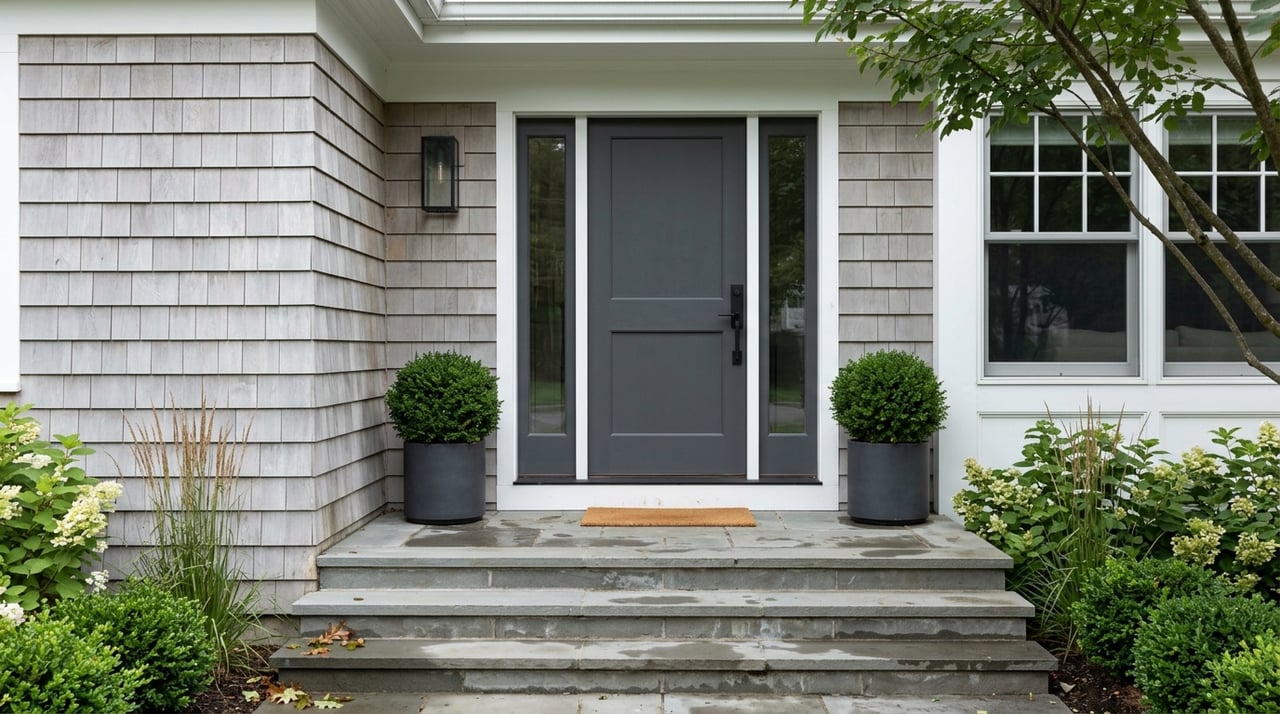
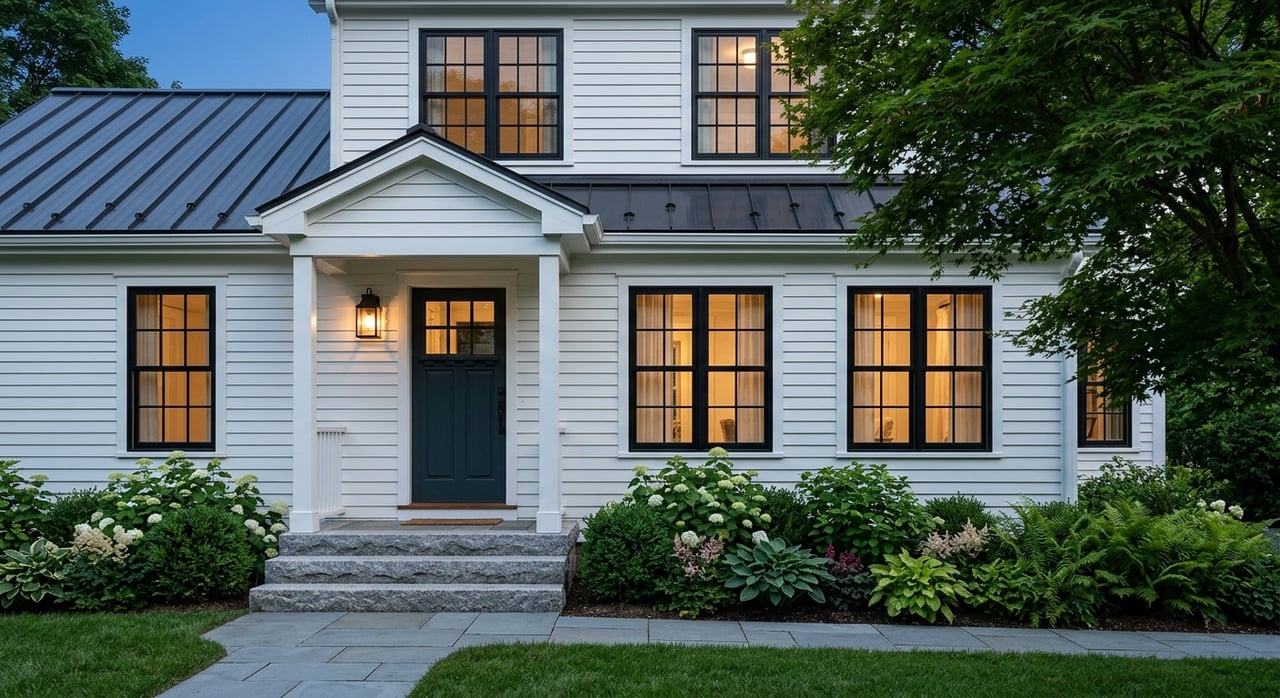
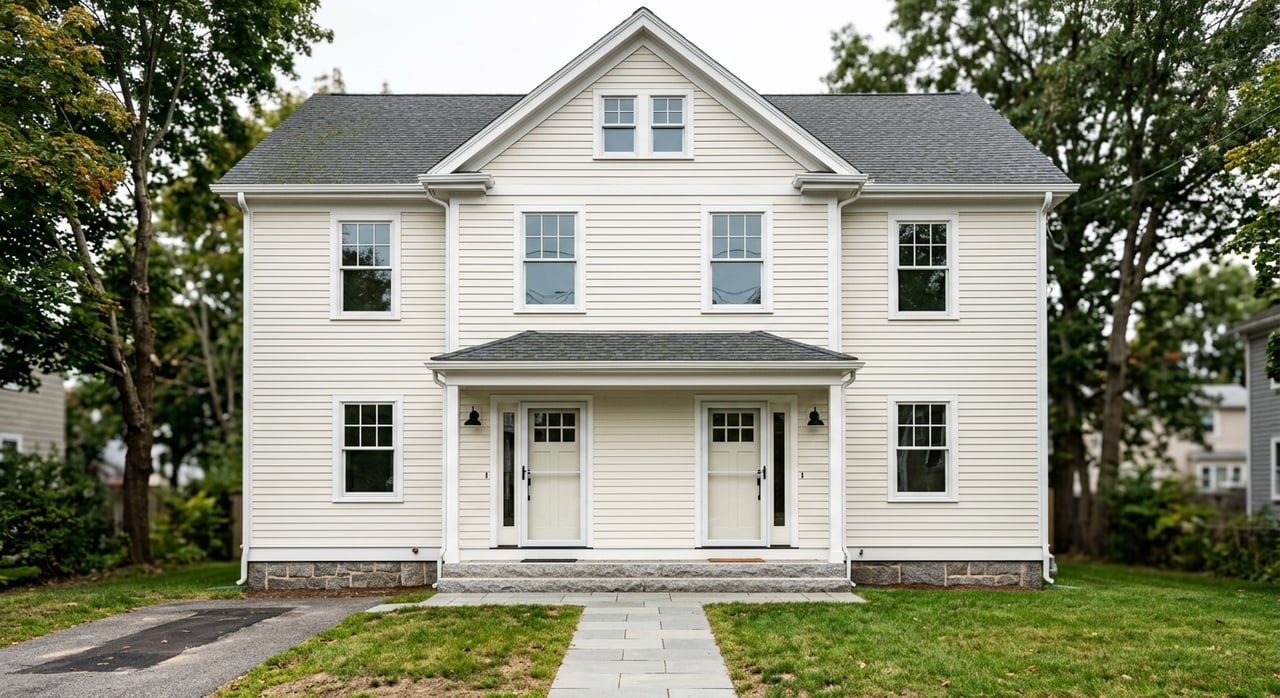
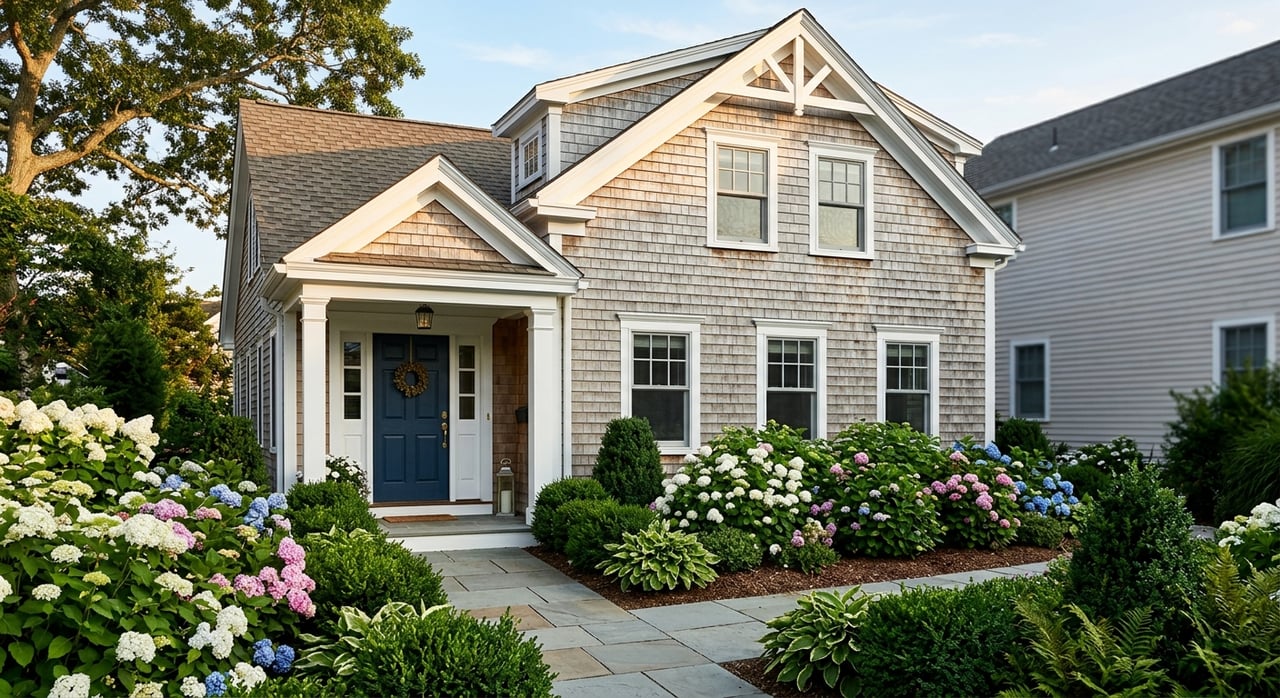
Your exterior sets the tone before a buyer even steps inside. It also shapes the first photos people see online, which matters because so many buyers begin their search on the internet. If the outside feels neglected, buyers may assume the same is true inside.
Simple exterior improvements often make a meaningful difference:
These are not flashy changes, but they can make your home feel cared for from the start. That first impression carries into the rest of the showing.
Buyers tend to react quickly to signs of neglect. Common trouble spots include worn siding, peeling paint, dim lighting, and anything that signals a project list the moment someone arrives.
Before you spend money on upgrades, address the basics. A home that feels maintained and functional will usually outperform one with cosmetic style updates but obvious unfinished repairs.
Cameras pick up dust, streaks, and grime more than most sellers expect. A spotless home also feels better in person, which can help buyers stay focused on the layout and features instead of small distractions.
Prioritize kitchens, baths, floors, windows, baseboards, and high-touch surfaces. If your schedule is tight, professional cleaning can be one of the most efficient pre-listing investments you make.
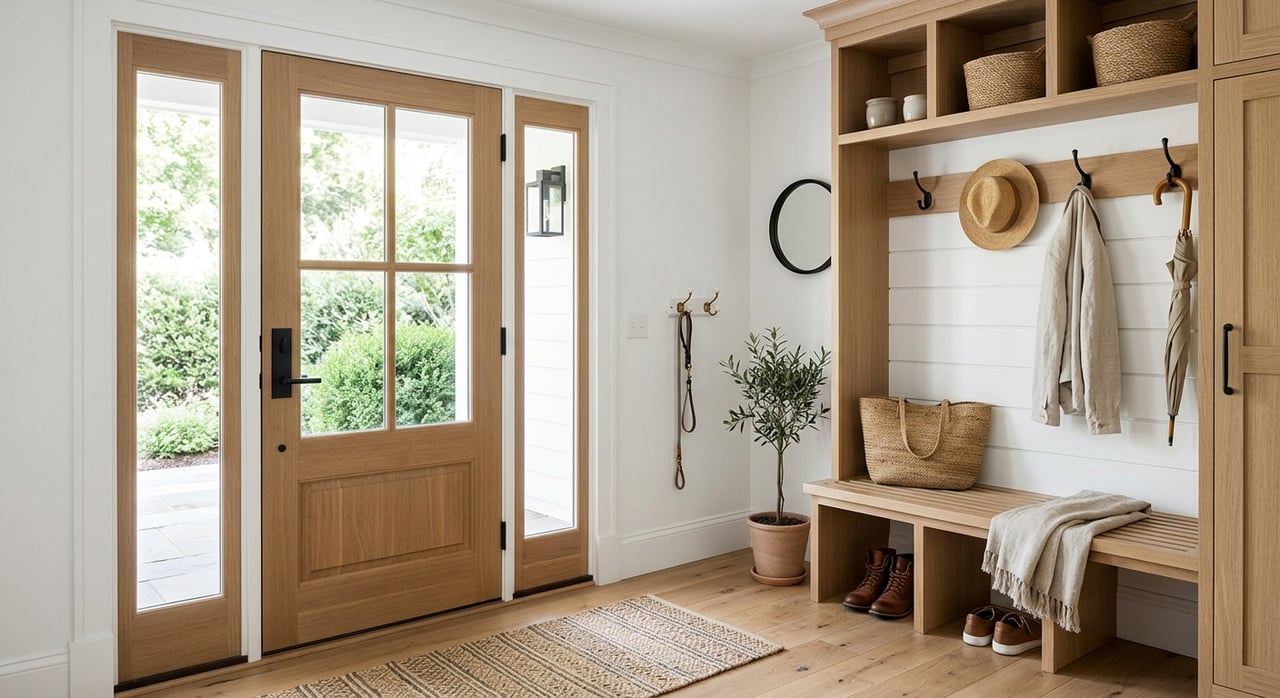
Clutter affects both photos and showings. Too much furniture or too many small items can make rooms feel tighter, darker, and harder to read.
Try to edit each space so its purpose is immediately clear. That may mean removing extra chairs, clearing countertops, organizing open shelving, and simplifying storage areas buyers are likely to open.
Buyers need to picture their life in the home, not feel like they are walking through someone else’s scrapbook. Family photos, highly specific collections, and bold personal decor can distract from the room itself.
You do not need to strip the home of all warmth. The goal is a clean, welcoming, lightly styled look that lets the space lead.
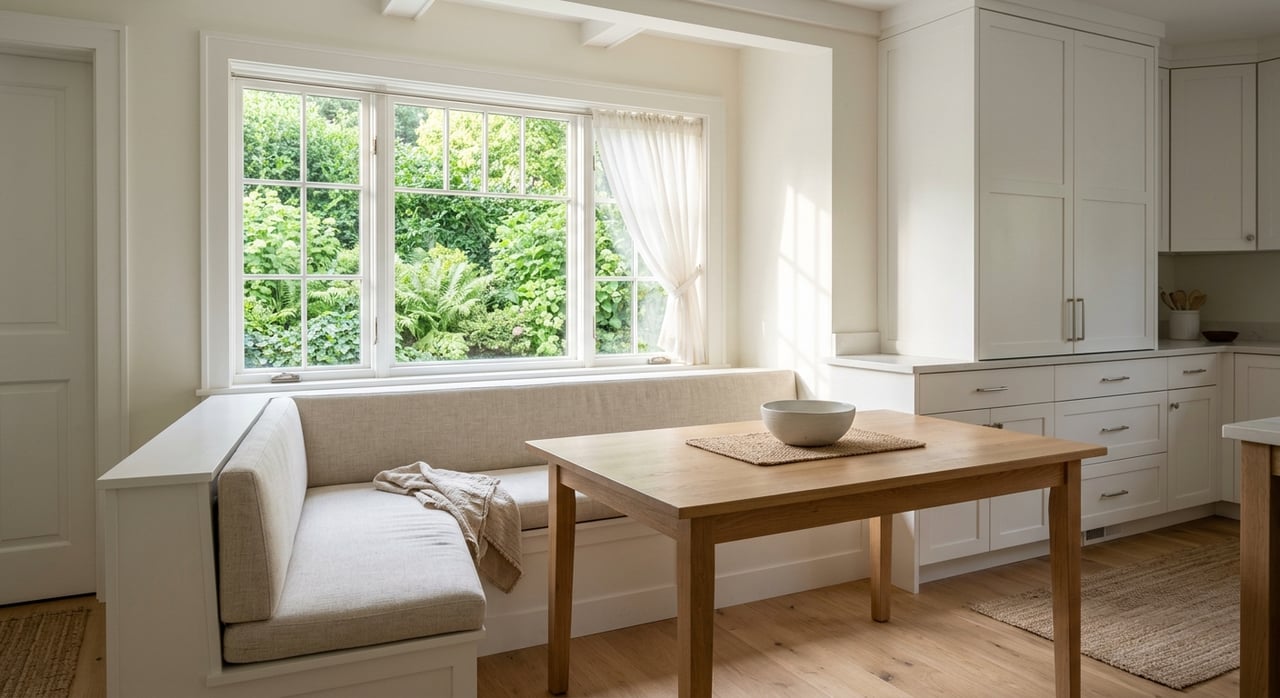
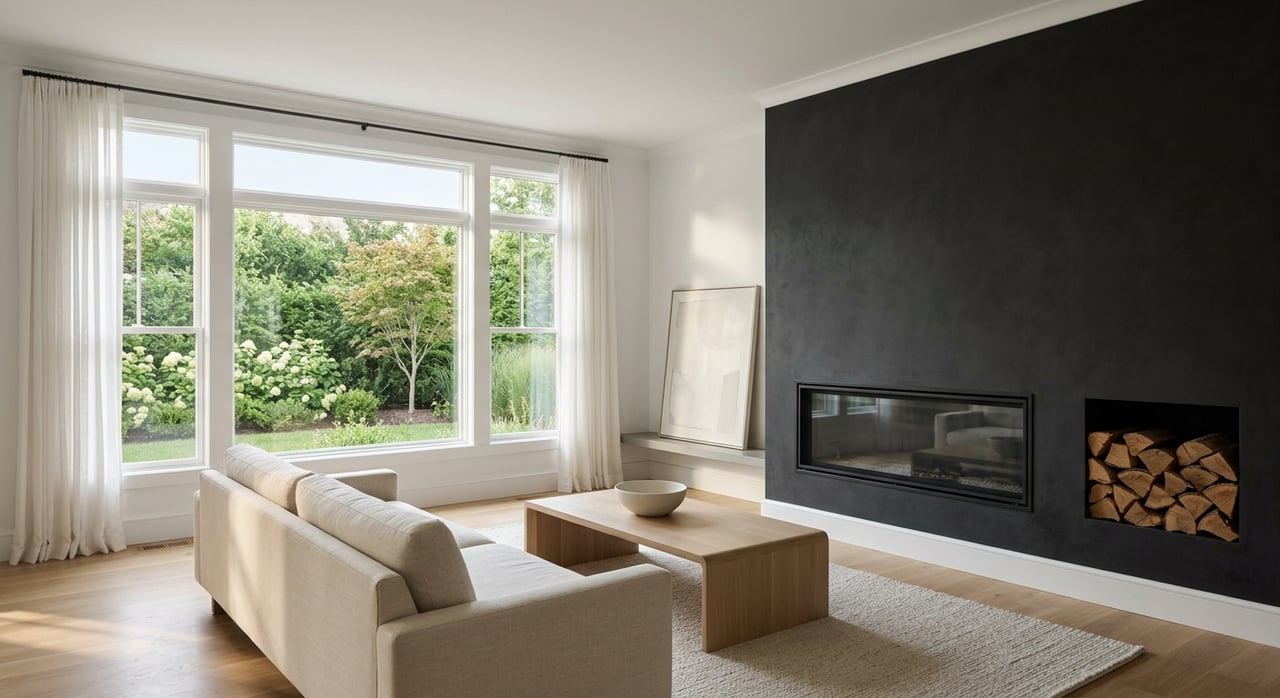
According to NAR’s 2025 staging survey, 83% of buyers’ agents said staging made it easier for buyers to visualize a property as a future home. The rooms that mattered most were the living room, primary bedroom, and kitchen. Those are also the spaces where buyers tend to form strong emotional opinions.
If you are deciding where to focus time and budget, start there. A comfortable, well-scaled living room, a calm primary bedroom, and a clean, bright kitchen can shape the overall impression of the entire home.
NAR found the most commonly staged rooms were:
You do not always need full-service staging in every room. Sometimes the right approach is a mix of editing, furniture placement, fresh bedding, lighter accessories, and improved lighting.
Staging is not about making your home look trendy. It is about helping buyers understand scale, flow, and function.
That can be especially important if a room is empty, oversized, awkwardly arranged, or being used in a way that may confuse buyers. In NAR’s survey, nearly half of sellers’ agents said staging reduced time on market, and 29% reported a 1% to 10% increase in offered value. The median spend for a staging service was $1,500, which helps frame it as a targeted marketing choice rather than a cosmetic extra.
One of the biggest mistakes sellers make is over-improving right before listing. In many cases, smaller visible updates deliver better resale value than large remodels.
The 2024 Cost vs. Value report for New England showed especially strong recoup on projects like garage door replacement, steel entry door replacement, manufactured stone veneer, fiber-cement siding replacement, vinyl siding replacement, and a midrange minor kitchen remodel. By contrast, larger projects such as major kitchen remodels, upscale bath remodels, and primary suite additions recouped much less on average.
If your home needs work, focus first on updates buyers can easily see and appreciate. Good examples include:
These improvements can strengthen your home’s presentation without dragging you into a long and expensive renovation cycle.
A full remodel may make sense if your home cannot compete without it, but that is not usually the first move. Large projects often cost more, take longer, and can create delays tied to permits, contractor schedules, and design decisions.
In East Greenwich, disciplined prep usually beats a sweeping pre-listing renovation. The goal is to improve what buyers see most, not rebuild the house before you sell it.
Before starting visible projects, make sure you understand whether town approvals apply. East Greenwich requires permits for many common residential projects, including electrical, plumbing, HVAC, kitchen remodels, re-roofing, siding, decks, and other work. The town also offers online E-Permitting.
That matters because even straightforward prep can affect your timeline if permits are needed. It is much better to confirm early than to discover an issue right before listing.
If your property is in East Greenwich’s historic district or is an outlying historic property, exterior changes may need Historic District Commission review. Exterior alterations such as changes to siding, doors, fences, or other visible materials can be regulated.
If you are considering updates to the exterior, verify those requirements before ordering materials or booking work. This step can save time, money, and frustration.
For homes built before 1978, Rhode Island requires lead disclosures and lead-safe work considerations. The Rhode Island Department of Health notes that most lead exposure in the state comes from homes built before 1978, and sellers must disclose known lead hazards and provide the required pamphlet and reports.
If your prep plan includes painting, window work, or other disturbance of older materials, it is smart to clarify lead-related obligations at the start. This is especially important when you are trying to keep your listing timeline on track.
Your listing launch is not just a technical step. It is a major part of how buyers form their first impression.
Among internet-using buyers in NAR’s 2025 Generational Trends report, 83% said photos were very useful, 79% said detailed property information was very useful, 57% said floor plans were very useful, 41% said virtual tours were very useful, and 29% said videos were very useful. NAR also reported that 52% of buyers found the home they purchased online.
This is where many sellers lose momentum. They plan to tidy up a bit now, take photos, and finish the details later. In reality, the best first impression happens when the home is fully show-ready before the camera arrives.
That means cleaning, staging, lighting adjustments, decluttering, and small repairs should already be done. Once your home is live, buyers respond to what they see first, not what you intended to finish later.
A strong East Greenwich listing should not rely on photos alone if more complete materials are available. Floor plans, detailed listing information, and visual assets can help buyers understand the home more quickly and with more confidence.
When a property is well presented from day one, you are better positioned to capture serious attention during the first wave of interest.
If the process feels overwhelming, a clear sequence can make it manageable. In East Greenwich, a practical order looks like this:
This approach helps you avoid spending in the wrong places or creating delays from last-minute compliance issues. It also keeps your energy focused on the improvements most likely to support a strong launch.
Selling a home involves more than checking boxes. You are balancing presentation, timing, budget, and local requirements, all while trying to make smart decisions under pressure.
NAR’s 2025 Profile of Home Buyers and Sellers found that 91% of sellers used a real estate agent, and sellers most often wanted help with marketing the home, pricing it competitively, and selling within a specific timeframe. That support can be especially valuable when your prep plan includes vendor coordination, selective updates, staging decisions, and launch timing.
For East Greenwich sellers, the strongest results often come from thoughtful preparation, not overbuilding. With the right plan, you can focus on visible improvements, stay ahead of permit and compliance questions, and bring your home to market in its best light.
If you are thinking about selling in East Greenwich, Stefanie Carr can help you build a prep strategy that aligns with your timeline, your budget, and the way today’s buyers shop.
Stay up to date on the latest real estate trends.
Work with Stefanie Carr for expert guidance, local insight, and a personalized real estate experience in Providence and throughout Rhode Island. Every detail is handled with care, strategy, and your goals in mind.