Thinking about buying or leasing a small storefront with apartments above in Providence? Mixed-use deals can deliver steady income and a neighborhood presence, but the details can get complex fast. Zoning, permits, lease structures, and financing terms all shape your returns and your timeline. This guide breaks down what to expect in Providence so you can move forward with clarity and confidence. Let’s dive in.
What mixed-use looks like here
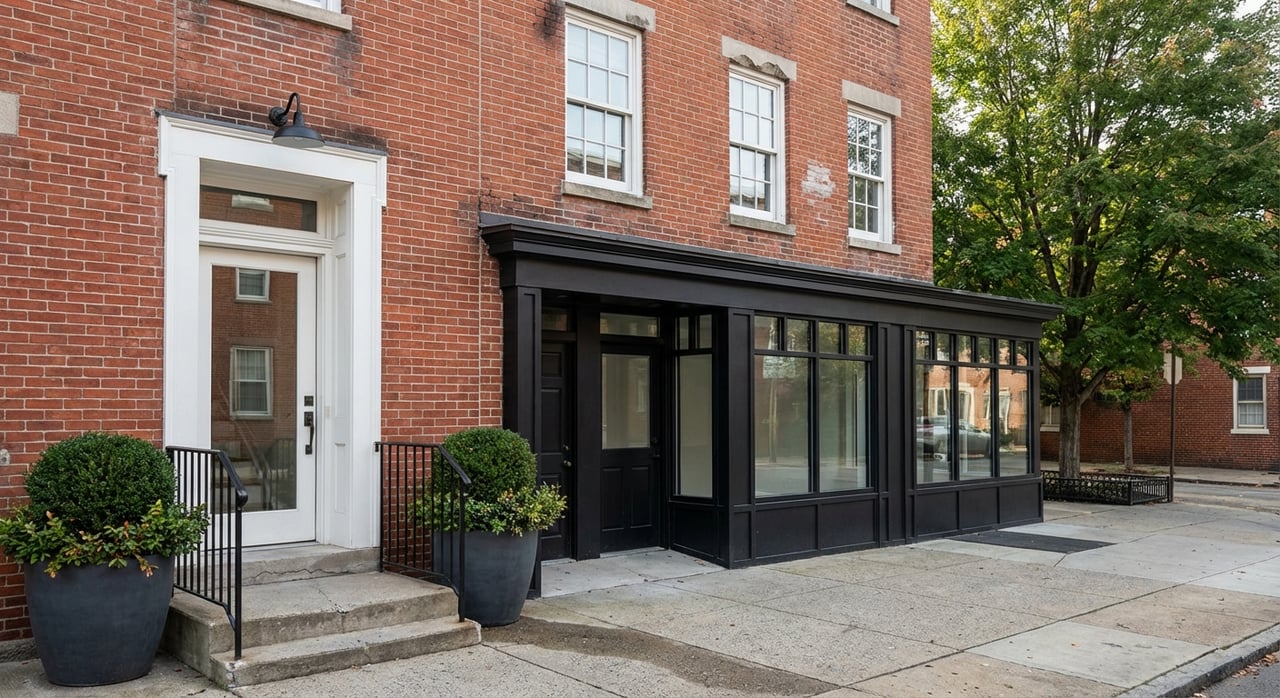
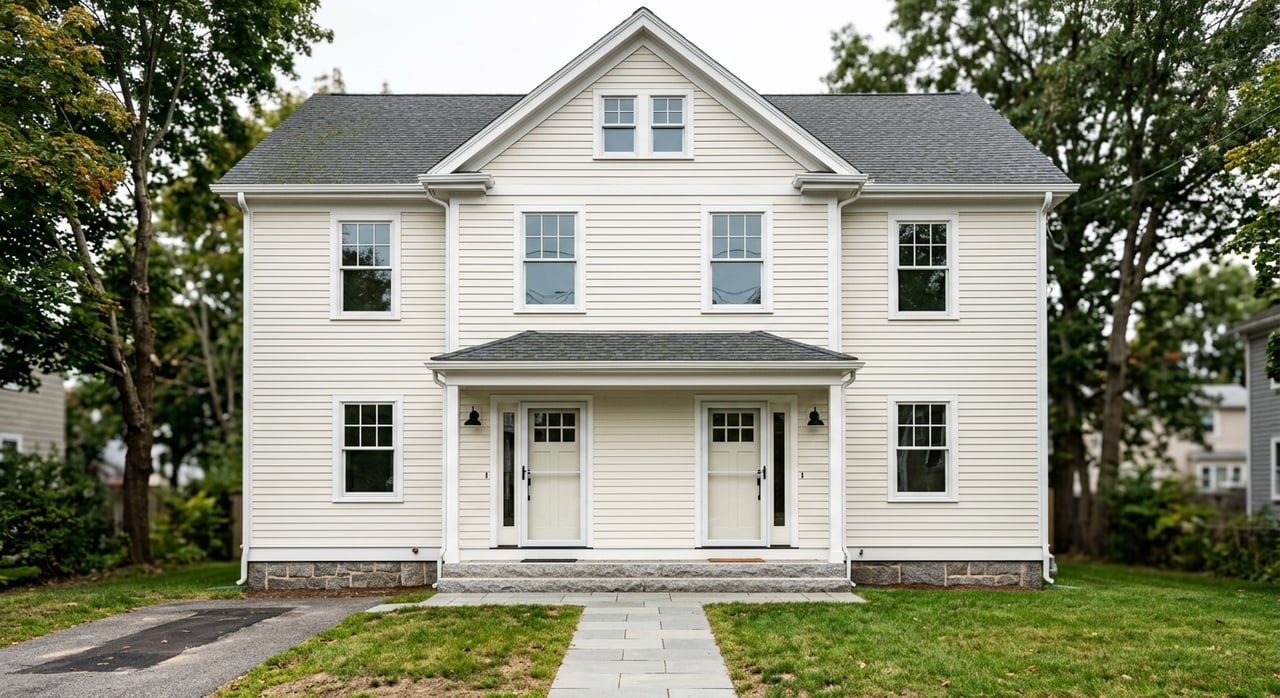
Across Providence, you often see ground-floor retail or food uses with residential units above. Typical formats include single-tenant retail with upstairs rentals, small multi-tenant storefront buildings, classic three-deckers with commercial at the base, and adaptive reuse loft or mill conversions. You’ll find strong small-business foot traffic on Atwells Avenue in Federal Hill, Thayer Street on College Hill, Wickenden Street on the East Side, and along Westminster and Broadway, plus parts of Downcity and the Jewelry District.
Large public investment around the I‑195 Redevelopment District has added housing and life-science space, along with targeted support for street-level activation. Programs highlighted by the state, including ground-floor retail initiatives, influence demand and tenant mix nearby. You can review the district’s recent momentum in the state’s summary of the I‑195 Redevelopment District Commission activity.
Zoning, parking, and permits
Start with Providence’s Zoning Ordinance. It sets allowed uses, dimensional standards, and parking/loading rules that can make or break a concept. Use the City’s zoning page and interactive map to confirm your parcel’s base and overlay zones, then review Article 14 for parking requirements. You can find both on the City of Providence zoning page.
Before closing or signing a lease, confirm that the building has a valid Certificate of Occupancy for the current uses and check for open code violations. Providence’s Department of Inspections and Standards (DIS) and the Fire Prevention Bureau coordinate plan reviews, and many projects now run through the e‑plan process. Learn how to confirm a CO or file for one through the City’s DIS CO guidance and check technical requirements with the Providence Fire Prevention Bureau.
If you plan to change or intensify the use, budget time for administrative modifications or special-use hearings. For older properties, confirm if the building is legally nonconforming for parking or loading and record any off-site parking arrangements.
Lease structures you will see
Small commercial deals rely on a few core lease types. Understanding who pays what will protect your cash flow.
- Triple Net (NNN). The tenant pays base rent plus property taxes, insurance, and most maintenance and CAM. This shifts operating cost swings to the tenant, so base rent may be lower compared with gross deals. For an overview, see this primer on triple net leases.
- Modified gross or full service. The landlord covers some operating expenses, which can simplify budgeting for small office or flexible retail users. The exact split is negotiated and should be spelled out clearly.
- Percentage rent. Some retail and restaurant leases include a sales-based component. This can align incentives when a landlord helps fund a build-out or takes on more leasing risk.
Key clauses to negotiate include term length and renewal options, tenant improvements and any rent-free period, CAM calculation and caps, and security or guarantees. If financing is involved, expect to see subordination, non-disturbance, and attornment language, plus tenant estoppels to confirm the rent roll. For context on how lenders and leases interact during foreclosure, review this plain-language overview of commercial lease treatment in foreclosure.
Restaurant and food-use considerations
Restaurant spaces add complexity that affects budgets and timelines. Plan for early confirmation of venting paths, exhaust routing, fire suppression, and the ability to install a grease interceptor. Expect higher insurance, utility capacity needs, and more involved plan reviews. For requirements and pre-inspection steps, consult the Providence Fire Prevention Bureau.
Due diligence checklist
Work through these checks in order to protect your capital and schedule.
- Title, survey, and easements. Commission an ALTA/NSPS-level survey to map boundaries, access, and any encroachments. Confirm rights-of-way and off-site parking agreements.
- Lease audit and rent roll. Gather every lease, side letter, and deposit detail. Reconcile cash receipts to the rent roll and secure tenant estoppels before closing.
- Certificates of Occupancy and code. Verify the CO for current uses and check for open violations using the City’s CO and permit guidance. Align your plan review path with DIS and Fire Prevention requirements.
- Zoning and use analysis. Confirm allowed uses, overlays, and parking under Providence’s zoning resources. If you plan a change of use, budget hearing time.
- Environmental reports. Order a Phase I Environmental Site Assessment to meet ASTM All Appropriate Inquiries. If the Phase I flags Recognized Environmental Conditions, expect Phase II testing. The EPA’s reuse assessment overview explains the process in the Revitalization Ready Guide.
- Building systems and capital plan. Inspect roof, structure, HVAC, electrical capacity, plumbing, sprinklers, alarms, ADA access, and any potential lead paint or asbestos in older stock. Build a near-term capex budget.
- Utilities and metering. Confirm separate meters for commercial and residential units. Check electric service and gas capacity, especially for heavy kitchen loads.
- Taxes, incentives, and liens. Verify assessments with the Tax Assessor and check for any Tax Stabilization Agreements. Providence’s standardized TSA program is outlined in the City Council’s TSA reference guide.
- Historic status and credits. If the building is historic or in a district, state and federal credits can offset qualified rehab costs. Start early with the RI Historical Preservation & Heritage Commission’s tax credit programs.
- Market comps. Gather retail, restaurant, and office comps by corridor. For a macro snapshot, review Providence trends in Cushman & Wakefield’s MarketBeat, then refine with local broker input.
Financing options that fit
- Conventional bank loans. Best for stabilized income with solid DSCR and a clean rent roll. Expect lenders to underwrite tenant credit, lease terms, and rollover risk.
- SBA 7(a) and 504 for owner-occupants. These programs can finance acquisitions and improvements when your operating business occupies the majority of the space. Start early with an SBA-preferred lender and review eligibility on the SBA 7(a) page.
- Bridge, mezzanine, and seller financing. These can bridge construction or tenant improvement costs on value-add deals. In specific submarkets, ground-floor activation loans tied to the I‑195 area may complement your capital stack, as noted in the state’s I‑195 Commission update.
Incentives to evaluate early
- Providence TSAs. The City’s standardized Tax Stabilization Agreement can reduce your tax load for a fixed term based on project size and compliance. Review categories and compliance steps in the TSA reference guide.
- Historic tax credits. Eligible income-producing historic properties may qualify for federal credits and Rhode Island’s state program. Requirements and timing are detailed by RIHPHC under historic tax credits.
Build incentives into your underwriting before you negotiate price. Some credits require pre-approval, and compliance conditions can affect design, timeline, and contractor selection.
Why local advisory matters in Providence
Local plan reviewers and boards interpret code and sequence approvals. A Providence-based advisor can navigate DIS, Fire Prevention, and the Board of Licenses, anticipate likely requests, and map the fastest path from LOI to opening. Neighborhood nuance also matters. Thayer Street’s student foot traffic, Federal Hill’s dining draw, and Downcity’s office dynamics create different rent and turnover profiles. Aligning tenant mix and term structure with your block’s demand drivers can stabilize income and reduce downtime.
A simple action plan
- Confirm zoning, overlays, and parking on the City’s zoning page.
- Request the full rent roll, lease abstracts, and deposits, then schedule tenant estoppels right after your LOI.
- Order a Phase I ESA and a building condition survey during your inspection period. Use the EPA reuse assessment guide for context.
- Check COs, change-of-use triggers, and Fire Prevention requirements via DIS CO guidance and the Fire Prevention Bureau.
- Talk with community banks and SBA-preferred lenders early. Review SBA 7(a) eligibility and typical down payments.
- Screen for TSAs and historic credits before final pricing using the City’s TSA guide and RIHPHC tax credit details.
You can make a mixed-use or small commercial deal in Providence both practical and profitable with the right preparation. If you want help aligning underwriting with real neighborhood dynamics, sequencing permits, or sourcing off-market options, let’s talk. Schedule a consultation with Stefanie Carr to move your plan forward with calm, expert guidance.
FAQs
What counts as a mixed-use property in Providence?
- In Providence, mixed-use commonly means a ground-floor commercial space such as retail, a café, or a small office with residential units above. You also see multi-tenant storefront buildings and adaptive reuse loft or mill conversions in corridors like Federal Hill, College Hill, Wickenden, and parts of Downcity.
How do Providence parking rules affect my plan?
- Parking and loading standards in Article 14 of the Zoning Ordinance can determine feasibility, especially when you change or intensify a use. Start with the City’s zoning page and confirm whether your site is legally nonconforming or needs relief.
What is a tenant estoppel and why do buyers ask for it?
- A tenant estoppel certificate confirms key lease facts, like rent, deposits, and defaults. Lenders and buyers use estoppels to verify the rent roll and protect financing and valuation during closing.
Can I use SBA financing if I plan to occupy part of the building?
- Often yes. Many SBA 7(a) and 504 deals work for owner-occupied scenarios where your business uses the majority of the space. Review eligibility and speak with an SBA-preferred lender using the SBA 7(a) program overview.
Do I need an environmental report for older Providence buildings?
- It is wise to order a Phase I ESA, especially for sites with historic industrial or automotive uses. If the Phase I flags issues, you may need Phase II testing. The EPA’s reuse assessment guide explains the steps.